Lanaco and Blueair Launch World-First NZ Wool Air Filter
New Zealand wool is reaching new heights as air filtration companies move away from synthetic products to biodegradable alternatives.
 increase font size
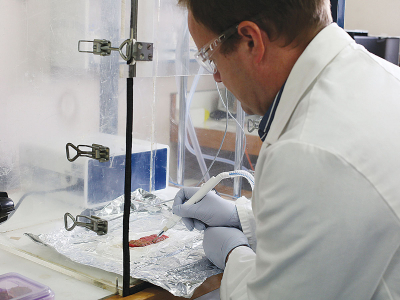 Dr Alastair Ross using the REIMS machine. SUPPLIED/AgResearch
A machine used by surgeons in delicate operations could eventually provide ways of guaranteeing New Zealand farm exports’ provenance.
And it could improve product traceability and deter supply chain fraud.
The machine is a rapid evaporative ionisation mass spectrometer (REIMS) now being evaluated at AgResearch’s Lincoln campus for its ability to detect the molecular phenotype or ‘fingerprint’ of samples of meat, milk, plants and wine.
While mass spectroscopy has been around for years, the REIMS device does in seconds what used to take an hour of lab work.
It is designed to assist surgeons in differentiating between healthy and tumorous tissue in near real time. It vaporises samples using an electronic surgical knife and analyses the resulting vapour.
AgResearch senior scientist Dr Alistair Ross says the machine, installed in August, is believed the first of its kind in Australasia. He won approval to bring it to NZ after a demonstration in the UK showed it could differentiate between NZ, English and Welsh lamb.
It can also detect what feed – such as grain, grass or chicory – a carcase was reared on, an increasingly important trait driving consumer spending.
Ross says the REIMS instrument can produce detailed data potentially useful for authentication, including incorporation into blockchains for chemical and digital traceability to prevent food fraud.
“Making sure we have the robust data on provenance and quality has the potential to save NZ millions of dollars through early detection of quality problems and prevention of false labelling,” he explains.
“We’re also finding that we can link the fingerprint to other factors such as consumer liking so in the future it can be possible to ensure NZ agricultural products have guaranteed provenance and quality, and will go to the market which best matches their desired flavour profile.”
This concept points to a future where you could, for example, scan a glass of milk with your mobile device to find out where, when and how it was produced and whether that milk fits your taste profile.
“This will be a major opportunity for the NZ food sector where worldwide supply chains are increasingly scrutinised and consumers are increasingly engaged in what they eat.”
The 300kg device is expensive and must be housed at the laboratory.
But advances in technology could mean simpler instruments using similar concepts become affordable and portable enough for use in meat works, dairy processing plants or on farm.
Ross expected to present his research at the AgResearch stand at the last week’s national Fieldays.
New Zealand wool is reaching new heights as air filtration companies move away from synthetic products to biodegradable alternatives.

Generative AI in the workplace, trials in the field, and industry-relevant research took centre stage at this year’s Grape Days events in Central Otago, Hawke’s Bay and Marlborough.
Last night saw the winners of the 2026 Beef + Lamb New Zealand (B+LNZ) Awards named at a gala dinner at Te Pae Christchurch Convention Centre.
Virtual fencing company Halter is going global but for founder Craig Piggott, New Zealand farmers will always remain their main partners.
A significant breakthrough in understanding facial eczema (FE) in livestock brings New Zealand closer to reducing the disease’s devastating impact on farmers, animals, and rural communities.

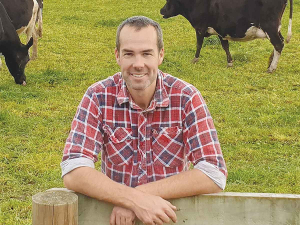
DairyNZ deputy chair Cameron Henderson has been re-appointed unopposed for another term.
Farms across the upper North Island are trialling different pasture mixes as part of a research programme that aims to build greater resilience into farming systems.
Election years are always a concerning time for farmers, according to DairyNZ chair Tracy Brown.
The Ballance Farm Environment Awards are coming to the West Coast of the South Island.
Most dairy regions around the country have had a pretty good season so far says Tracy Brown.