Mobile phone coverage and reliability are deteriorating in rural areas, and farming families are bearing the cost, according to a Federated Farmers survey.
Farmers have become more frustrated with black spots and poor reception since the 3G network was switched off in March, the organisation said.
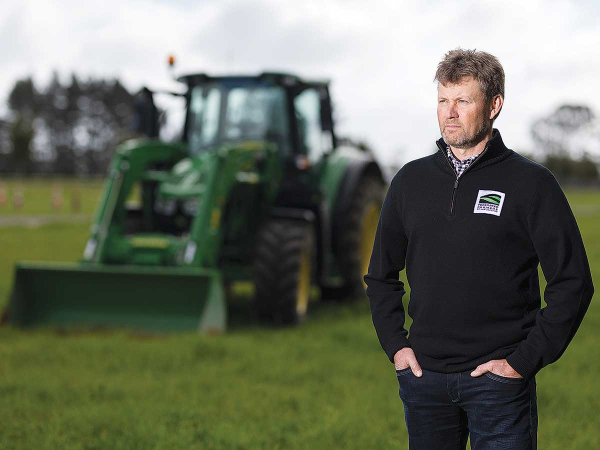
Federated Farmers telecommunications spokesperson Mark Hooper said last year’s Rural Connectivity Survey found service levels were already hit and miss.
This year’s survey, of nearly 650 farmers, painted a bleaker picture, he said. It was carried out in late August and early September.
Half of farms now have mobile coverage on less than half of the property, the survey found.
A third of farmers have a place on their farm that worked on 3G but no longer does, and for most the gaps are not confined to one part of the farm.
Emergency Access and Safety Concerns
Nearly two in three farmers said they cannot rely on reaching 111 from most of their farm, and 8% said connecting to emergency services was not possible anywhere on the property.
More than 40 farmers said there was nowhere on their property where they could reliably reach 111.
Hooper said patchy coverage creates obvious risks in an accident or emergency, especially for people working alone.
One farmer said they had failed a WorkSafe audit because poor coverage meant they could not check on staff every two hours.
Hooper noted that telcos have an agreement to redistribute a failed 111 call across whichever networks reach that spot, but said it cannot create coverage where none exists.
Financial Cost of the 3G Shutdown
One in seven farms had to replace equipment that relied on the 3G network, including irrigation and pivot controls, cow collars and other farm systems. Some spent many thousands of dollars, and the vast majority replaced gear that was still working, the survey found.
Two in three farmers paid for workarounds such as satellite broadband.
Only 15% of farmers regard satellite-to-mobile as an adequate substitute for a cell tower.
Providers Not Fixing Reported Problems
Of 126 farms that reported coverage and reliability problems, just two had the problem resolved.
Hooper said farmers reported that raising problems with providers often did not result in a fix, with some providers effectively denying there was an issue.
That’s very frustrating and indicates their concerns aren’t being taken seriously,” he said.
He said earlier assurances that most areas previously covered by 3G now have 4G and 5G had “proved hollow”.
Federated Farmers Meets Telcos
Hooper said Federated Farmers is holding urgent meetings with telcos to understand what scope exists within existing infrastructure or planned investment to improve the situation.
He said the organisation has some sympathy for the argument that heavy investment in “old technology”, such as new towers, may not be the best use of resources when satellite calling is on the way.
It is also interested in what fine-tuning of existing infrastructure might be possible now.
“At the very least, surely we can get more farmers hooked back up to the service standards they had with 3G,” he said.
Roads and Highways
Four in five farmers know a stretch of their regular roads where mobile service fails, and only 4% said they do not experience drop-outs on their journeys.
Eight times as many farmers said highway coverage had worsened over the past year as said it had improved.