Farmers must accept individual responsibility for the industry’s poor health and safety record, says an industry health and safety leader.
Tony Watson, general manager of the Agricultural Leaders’ Health and Safety Action Group (ALHSAG), says “no one wants to see anyone injured on the farm”.
“There is a clear expectation by our consumers, communities and regulator that we need to do better or face the threat of greater regulation.
“We all need to step up and take individual responsibility for our unacceptable health and safety performance.”
On average, 17 people die and almost 550 farmers are seriously injured each year in farm workplace incidents.
“Farmers can take simple steps to reduce the chances of things going wrong. Safety protection is a no-brainer and not enough farmers are using the right equipment to stop people getting hurt,” Watson says.
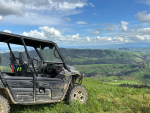
“Tractors come with safety frames. But with many farmers using quad bikes, why are we not insisting these come with the same level of protection, or [with a query whether] they are the right vehicle for the job.”
Fewer farmers died and serious injuries in workplace accidents declined in 2017 to the lowest figures since 2009. However, fatalities in 2018 were back to the long-term average of 17 people per year.
Watson says safety for farmers’ families, staff and themselves should begin with such questions as what could go wrong? What am I doing about it? Is it enough?”
The busy autumn period brings with it big jobs, long hours and typically contractors visiting the farm, so it is always a good time to address health and safety, he says.
“A good starting point is to review any issues that occurred in the past year, anything that’s changed and make a plan to mitigate any risks.
“Many regions have more feed than usual, so long grass may hide obstacles or ruts that are normally easy to see and might create a hazard risk.
“Farmers need to slow down, wear the seatbelt in the ute or tractor and consider fitting a safety frame or roll bar to their quad.”