Recovery on the West Coast
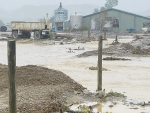
Dairy farmers in the Buller region of the South Island are at last making progress getting their properties up and running following the devastating floods that hit them in February.
 increase font size
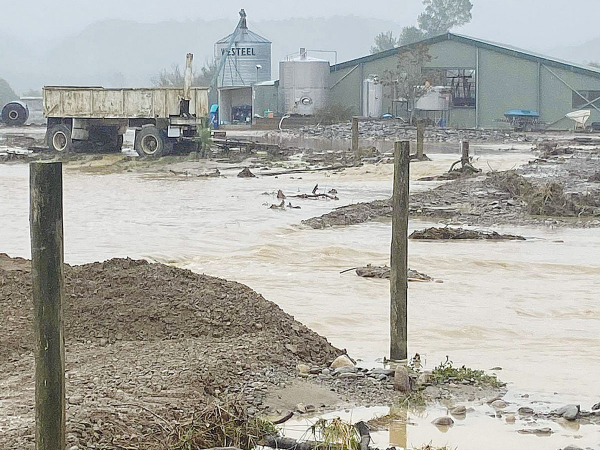 A flood-ravaged cow shed in Inangahua Valley, West Coast.
The Government has activated Enhanced Taskforce Green (ETFG) in response to flooding in the Buller and southern Tasman districts.
“The recent flooding has been a significant and adverse event damaging farms, homes, roads and bridges,” says Minister for Social Development and Employment Carmel Sepuloni.
“Part of the Government’s wider response to the recovery is making funding available so that local councils or other authorised agencies can hire job seekers to help with the clean-up,” says Sepuloni.
She says the funding will help farmers complete clean-up work on their properties, including clearing debris.
“Across the West Coast and southern Tasman districts, damage assessments are being carried out. The Ministry of Social Development will work with agencies to make sure Enhanced Task Force Green assistance is provided as soon as possible to farmers in need of this support.”
On 13 February, the Government contributed $300,000 to support the region to recover from recent weather events.
Agriculture Minister Damien O’Connor classified the severe weather as a medium-scale adverse event for the West Coast and Top of the South, unlocking $200,000 of Government support for farmers and growers.
Emergency Management Minister Kiritapu Allan announced $100,000 for the Mayoral Relief Fund to support Buller District residents, nothing the Government was on standby to provide further relief as needed.
Farmers and growers can self-register for clean-up help by contacting the Flood Recovery Coordinator on 027 394 6149.
Dairy farmers in the Buller region of the South Island are at last making progress getting their properties up and running following the devastating floods that hit them in February.
West Coast farmers are racing against time to repair pastures damaged by the recent floods.
FIFTEEN ENHANCED Taskforce Green members hired to help clean up storm-affected Northland farms, horticultural operations and orchards have ended their three month stint.


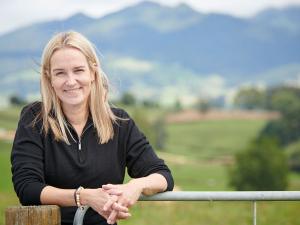
Minister of Conservation Hon Tama Potaka has appointed Susan O'Regan as Chair of the Queen Elizabeth II National Trust (QEII) for a three-year term.
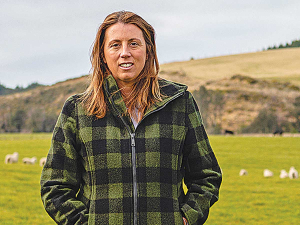
Red meat farmers are welcoming Labour’s plan to review the Emissions Trading Scheme and not to campaign on pricing agricultural emissions.
Where any worker in the kiwifruit industry is mistreated, we expect the authorities to take action.
Mid Canterbury Federated Farmers arable chair, Bevan Lill, said Beef + Lamb NZ data indicated that for the last six years, the average arable return on investment was about 0.8% while inflation ran about 4% - so the average arable farm was going backwards at about 3% a year.
Seed and grain companies share the concerns of arable farmers about the viability of their sector, says Seed and Grain New Zealand chief executive Dr Sarah Clark.
The New Zealand Institute of Forestry (NZIF) says unnecessary changes to New Zealand’s Emissions Trading Scheme (NZ ETS) will seriously erode investor confidence and result in significant reductions in forest planting rates.