As part of its Election 2026 coverage, Rural News asked political parties how they would help pull the arable sector out of the doldrums. Here's what they said:
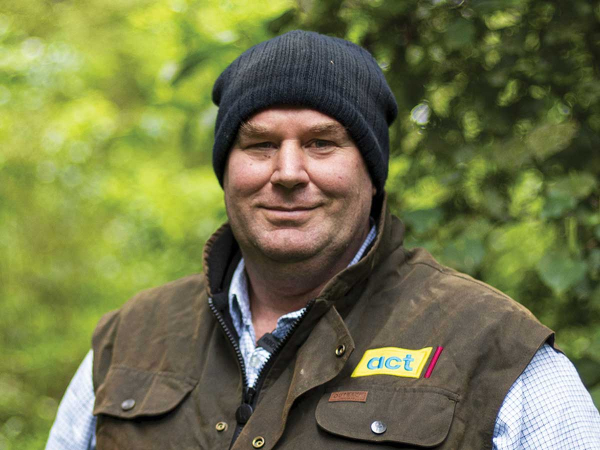
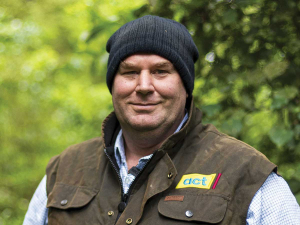
Andrew Hoggard, ACT
The biggest things we can do for arable growers are the same things that help every farmer: lower costs and fewer rules. Crop farmers are dealing with pests and diseases that are building resistance, so getting quicker access to proven products matters more to them than almost anyone. We are 100% committed to getting the HSNO Amendments passed and ensuring that officials follow through with the flexibility they now must get new chemistry approved quicker.
Arable growers make long-term calls on land, machinery and staff, often borrowing big to do it. They need lower interest rates and a government that lives within its means. ACT will make the savings in Wellington that balance the books faster than any other party, with no new taxes. That’s how you get inflation and interest rates down, and that’s real support for a grower staring at a seasonal overdraft.
Jo Luxton, Labour
When I talk to arable farmers, the biggest concerns are really practical challenges.
barriers to research and innovation, increasingly challenging climate conditions, stretched freight between the South Island and North Island, high energy costs at post-harvest, an uneven playing field with imported grain, and unpredictable export markets.
We need to ensure arable farmers have the same opportunity to succeed, invest and grow as any other part of our primary industry. That means addressing the challenges that are within our control so that we can create the conditions growers need to thrive.
Daniel Eb, Opportunity
We are generally reluctant to offer industry specific subsidies or other support - preferring instead to focus on broad tax and economic policies that can uplift a range of sectors. We believe the best way to support the rebound of the arable sector is to address the long-term, structural challenges it, and other sectors, face.
Energy security and affordability is one such challenge - we would significantly scale renewable generation, reform the energy sector and electrify our economy as part of our Abundant Energy policy. While it may be some time before electric alternatives are available for arable farmers, reduced national dependence on fossil fuels (like diesel) should soften price and supply security issues. Additionally, we would expect arable to be a key beneficiary of a more efficient infrastructure delivery pipeline - as proposed in our Intergenerational Infrastructure policy - enabling South Island growers to better compete in North Island markets due to reduced national freight costs.
Finally, our Breakthrough Economy policy would support a wide range of on-farm technology improvements for growers, and set the conditions for more home-grown, agricultural innovation and industrial development for critical inputs - like the recently opened Te Ahi Clean Energy Park in Taupō, which uses geothermal energy to produce a more efficient form of urea fertiliser.
Todd McClay, National
Dairy, red meat and horticulture are having strong years. Arable growers are not. Margins are tight, returns are soft and costs keep climbing.
That matters to all of us. Arable employs around 7500 people and earns about $2.1 billion a year. It supplies the grain, seed and feed that livestock farmers, food makers and exporters rely on.
We won’t leave growers to carry this on their own. We’re setting up an Arable Sector Forum to bring growers, processors, merchants, researchers and government around one table. Its job is to find what’s holding the sector back and fix it, with a clear focus on farm-gate returns.
We’ve already made a start in three areas.
Land. We changed the National Policy Statement for Highly Productive Land to give more flexibility on LUC 3 land, while still protecting our best soils.
Water. A dry year can make or break an arable business. We’ve brought in practical rules for on-farm water storage and dam safety and made it simpler to consent water storage and distribution.
Costs. Investment Boost lets you deduct 20% of the cost of new assets upfront.
My message to arable growers is simple.
We see the pressure you’re under, and we’ll work with you on practical changes that lift your returns. More paperwork won’t be part of it.
Mark Patterson, NZ First
New Zealand First is cognisant of the need to keep a breadth in our primary production. The arable sector is foundational to this as being not only a provider of high-quality domestic food but in supplying animal feeds, grazing support and seed production, underpinning our dairy, meat and vegetable growing sectors.
Maintaining critical mass in the arable sector is strategically essential for New Zealand, for both domestic food security and wider economic resilience and needs to be treated as such.
New Zealand First supports a dedicated Minister or Associate Minister of Agriculture focused on the arable sector. We would prioritise this sector in regard to research and development support from the Bioeconomy Science Institute (BSI).
We believe a template for resurrecting the sector has been established with the work that has been done in this term of government rebuilding the wool sector. We are encouraged that the arable sector has now come together to form a strategic plan and New Zealand First stand ready to support. The lessons from the wool sector would suggest the answers sit in coordinating cohesive industry leadership, supply chain transparency, investing in innovation and identifying emerging opportunities to add value. Not merely growing an extra tonne per hectare.
We would also encourage other sectors to recognise the critical nature of the arable sector to the wider primary sector ecosystem and reduce their reliance on imported feeds.