Federated Farmers applauds the decision of Local Government Minister, David Carter to extend the Environment Canterbury (Ecan) Commissioners term for a further three years to 2016.
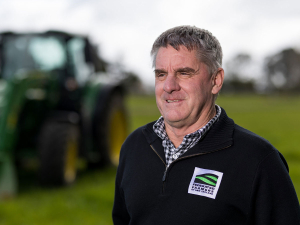
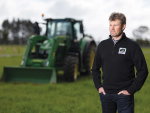
"We are under no illusion this is related to incredibly complex water policy," says Chris Allen, Federated Farmers Mid-Canterbury provincial president.
"Right now, the Canterbury Land & Water Regional Plan is proceeding at breakneck speed because of the time limit on the Commissioners. I honestly don't think anyone wishes them to act in haste so that we can repent at leisure.
"One expectation is that it will allow the sub-regional plans to be aligned. These are of most importance as they set catchment based limits. It also provides an opportunity to take into account any Government actions arising from the Land and Water Forum; a forum Federated Farmers is a party to.
"I would hope that people who will oppose this move will think before commenting. The Commissioners, in a few short years, have achieved more than the old failed council ever did. I recall a shrill tone at the time, but every prediction of doom has not eventuated.
"The Commissioners have vindicated their appointment by building bridges with key stakeholders including us in the primary industries. I would say growing levels of trust were being challenged by the haste in trying to process this plan.
"This time extension means the plan can be done once but hopefully, done right. In rushing things we have noted serious holes around some science that needs to be addressed.
"The Land & Water Regional Plan is just too important to get wrong but was notified before detailed modelling of its economic impacts.
"As it affects almost all aspects of the primary industries, it will set the tone for all farmers, whether a wine maker or horticulturalist, dairy farmer or like me, a sheep and beef farmer.
"A key result from extra time is to allow the work underway by the NZIER on economic impacts to finally catch up. We know this plan will mean sacrifice by farmers in some places. Before that takes place we want to ensure it delivers exactly what it ought to deliver.
"It also allows the wider community to consider and digest what impacts it will have upon them. The primary industries are a big part of the Canterbury economy so this will affect everyone, directly or indirectly.
"This makes what David Carter has boldly done today, the right thing to do," Allen concluded.