'Regulatory Middlemen'
OPINION: Groundswell's opinion of the incumbent farm industry representatives isn't high.
 increase font size
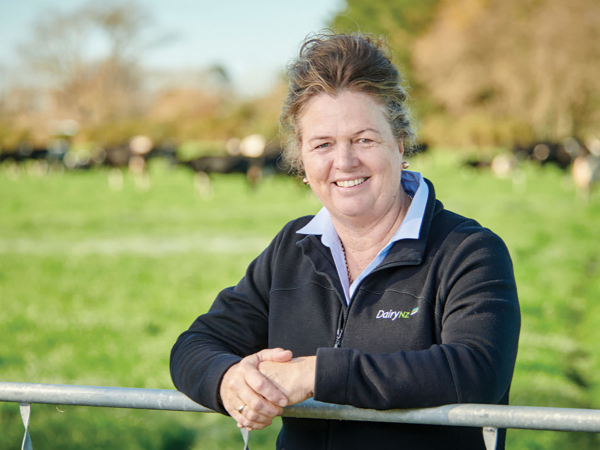 DairyNZ chair Tracy Brown.
DairyNZ says Waikato farmers need certainty on Plan Change 1, but they say that certainty must be matched with practical, workable rules and a clear transition that doesn't get ahead of the new resource management system currently under review.
Tracy Brown, chair of DairyNZ, says the Environment Court's decision on Waikato Regional Council's Plan Change 1 (PC1) has created significant questions for farmers across the Waikato-Waipā catchment.
“Farmers need certainty, but certainty requires rules that are practical, affordable and workable on farm," Brown says.
She says that while PC1 is the council's current pathway, farmers should not be forced into cost, duplication, stranded investment or uncertain consent processes before the transition to the new resource management system is clear.
Brown says DairyNZ's position is focused on practical outcomes for farmers.
“We need one farm plan, clear guidance and tools, workable consenting, and no duplication between PC1 and the new resource management system. The council needs to work with industry to develop implementation guidance for PC1, such as how to demonstrate a farms risk is ‘as low as practicable’," she says.
“Farmers should not be dealing with multiple plans, shifting rules or costly consent processes that may need to be redone under the new system.”
According to DairyNZ, the decision will introduce new requirements for many dairy farms, including resource consents, farm planning obligations and nutrient management requirements. For some catchments, implementation timeframes may be relatively short, creating additional pressure and uncertainty for farmers.
Brown says DairyNZ recognises the concern many Waikato farmers have about the decision.
“PC1 has been a long and complex process. Farmers have been dealing with this for well over a decade, and many are understandably concerned about cost, complexity and uncertainty.
“DairyNZ’s focus is on ensuring farmers have practical, affordable rules that work on farm and support better long-term environmental outcomes.”
Throughout the Environment Court process, DairyNZ sought changes to improve the practicality and workability of the plan while continuing to support water quality outcomes.
“DairyNZ presented an alternative pathway that would have enabled more dairy farmers to operate as permitted activities, reduced compliance costs and provided a clearer pathway for demonstrating compliance, whilst achieving the same environmental outcomes.
“We secured a number of important improvements through the process, but many farmers will still face additional compliance obligations, costs and regulatory hurdles under the final plan.”
Brown says any intervention now needs to be focused on the practical issues farmers are facing.
“That includes freshwater farm plan requirements, section 107 issues, catchment-specific impacts, land value considerations, and any consent timing into the transition to the new resource management system.
“For some farmers the new requirements are what they are already doing and a consent under PC1 may provide longer-term certainty. For others, the requirements may be more difficult, particularly where there are catchment-specific challenges.
“That is why implementation needs to be carefully managed.”
Brown says PC1 also highlights why New Zealand’s resource management system needs reform.
“After years of hearings, expert evidence, legal process and significant cost, many farmers still face new consenting requirements and ongoing compliance obligations.
“No one could look at the length, cost and complexity of this process and conclude the current system is working as efficiently as it should.
“Farmers have already made significant environmental progress on fencing waterways, riparian planting, nutrient management and effluent systems in the 14-year period PC1 has been under review. They support improving environmental outcomes and are committed to playing their part.
“But they need a system that provides certainty, reduces unnecessary complexity, recognises the work already done, and focuses on outcomes rather than process.”
DairyNZ is working with dairy companies, Waikato Regional Council and sector partners to help affected farmers understand the implications of the decision and prepare for implementation.
“With the decision now released, our focus is on ensuring farmers understand what these changes mean for their businesses and have access to the support they need.
“We will continue to advocate for a practical transition that avoids duplication, protects farm viability, and gives farmers confidence to keep investing in their businesses and environmental performance.”
OPINION: Groundswell's opinion of the incumbent farm industry representatives isn't high.
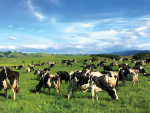
Most dairy regions around the country have had a pretty good season so far says Tracy Brown.
OPINION: It appears to be difficult for people who haven’t tried to run a business to understand the difference between assets and cash.
OPINION: David Seymour and James Meager's plan to make it easier for farmers and orchardists to operate drones can best be described a 'courageous' move.
There's been widespread support from the primary sector for the Government's announcement on changes to freshwater farm plans that come under the Natural Environment Bill, which is now set to replace the existing RMA.

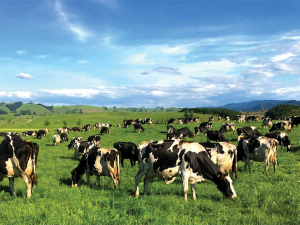
Most dairy regions around the country have had a pretty good season so far says Tracy Brown.
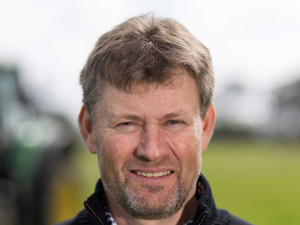
Rural leader Mark Hooper has been appointed as an independent director to the NZPork board, bringing extensive farming, governance and advocacy experience to the role.
Opportunity says its land value tax (LVT) is unlikely to force farmers into a position where asset sales or increased debt are required.
Milk powder prices are keeping farmgate prices up, helping processors offset the dip in milk fat prices.
Climate, nature and animal wellbeing make up Fonterra's refreshed sustainability roadmap released last week.
The Government is introducing a new nationwide rural recycling scheme that will significantly increase the recovery of farm plastics from March next year, Minister for the Environment Nicola Grigg announced today.