Seeka Posts Record $62m Profit as Zespri Lifts 2026 Forecast
More signs of a booming kiwifruit sector.
 increase font size
 Craigmore Sustainable chief executive Che Charteris.
Craigmore Sustainables will invest $38 million to convert 137ha of established dairy farm at Kerikeri into a kiwifruit orchard.
This will increase local kiwifruit production by at least one third and create 29 fulltime equivalent jobs. The project is approved by the Overseas Investment Office (OIO).
Craigmore Sustainables is a New Zealand owned and controlled business set up to help fund development and grow regional NZ food and fibre businesses. While it mostly uses European funding sources, Craigmore appoints and employs local NZ management and governance for every business.
The Kerikeri move follows recent approval from the OIO to buy land in Hawke’s Bay and Gisborne where Craigmore is investing $52m to develop apple orchards which will offer almost 100 fulltime equivalent jobs. It expects to boost NZ exports by $30m.
Craigmore Sustainables chief executive Che Charteris says these investments are part of the company’s Permanent Crop business which is expanding and diversifying horticulture in key central and northern regions.
“NZ’s horticulture sector is a world leader in many areas, with exports growing at 7% per annum for the past 20 years, bringing with it increased regional development and employment,” said Charteris.
“Our focus is to build the best NZ orchards producing top-selling fruits that include kiwifruit, apples, wine grapes, plus emerging crops such as cherries and avocados.”
Charteris says access to capital is a barrier to realising the full potential of horticulture. Through its Permanent Crop Partnership, Craigmore is building at least $200m of horticultural businesses, many being orchard conversions from pastoral land.
“One of our core sustainability values is ‘right land, right use’. NZ has vast areas well suited to grazing livestock, but some areas should be converted to horticulture and forestry.”
Craigmore still has about $50m to invest and is looking to buy minority stakes in existing horticultural businesses to help them grow.
“This is helping diversify the economy and create significant gains for regional communities as well as helping address soil and water challenges, and reduce greenhouse gas emissions,” said Charteris.
“With the Kerikeri land, for example, we’ll be planting riparian areas around the orchards, with indigenous species to provide a buffer to waterways from sediment, nutrient and other runoff and to provide corridors for wildlife movement.
“We are generating 10 times the benefits by farming only half of the land.”
Charteris says Craigmore has strong support from the local council as well as local growers, packagers and exporters who can build their businesses alongside the developments.
“Ultimately, at a time of growing consumer demand for sustainable products and wider societal standards for managing farmland, Craigmore Sustainables’ mission is to support NZ’s reputation as a premium food and fibre supplier in a way that spreads the benefits across the regions of Aotearoa.”
More signs of a booming kiwifruit sector.

After delivering a strong financial year, rural trader PGG Wrightson says the coming months will depend on customer confidence and weather.
New Zealand growers have always adapted to changing conditions, but one challenge is steadily gaining ground across the horticulture sector: resistance.
Blueberries have the potential to become a major horticultural export, earning up to $150 million within the next three to five years.
Signs for the 2026-27 kiwifruit crop look good, but there are still some challenges for growers – especially those who produce green kiwifruit.
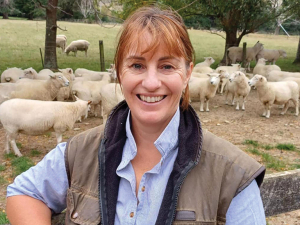
B+LNZ's Wormwise veterinarian Mary Bowron has won the Best Sheep and Beef Vet of the Year Award in recognition of her outstanding contribution to New Zealand’s sheep and beef sector.
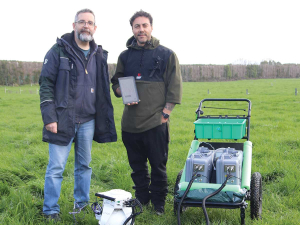
Researchers at Massey University are using a special piece of scientific equipment to improve the measurement of greenhouse gas emissions from pasture soils.
More signs of a booming kiwifruit sector.
OPINION: David Seymour and James Meager's plan to make it easier for farmers and orchardists to operate drones can best be described a 'courageous' move.
New Zealand wool is reaching new heights as air filtration companies move away from synthetic products to biodegradable alternatives.
Opuha Dam's ability to protect South Canterbury communities from major flooding has taken a significant step forward, with Opuha Water Limited (OWL) successfully commissioning a new outlet valve capable of releasing record volumes of water from the dam ahead of a weather event.