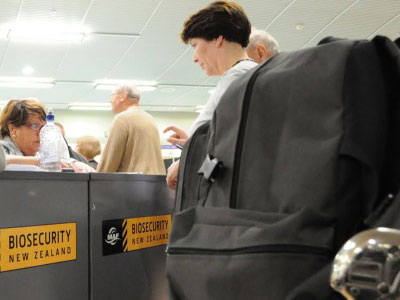
The Ministry for Primary Industries and the cruise ship industry are set to trial a new accreditation scheme to reduce the biosecurity risk posed by arriving cruise passengers.
The scheme involves collecting background information about vessel stores to determine biosecurity risk, says MPI’s border clearance services director Steve Gilbert.
“Cruise ship passengers are usually very compliant when it comes to biosecurity. The risk material they bring ashore is mostly snack food from vessel stores.
“If we know where the stores have come from and what checks they have undergone, we can have peace of mind that any food that leaves the vessel is free of pests and diseases.”
The trial scheme also involves getting assurances from cruise lines that vessels have strict systems for pest control and they actively promote biosecurity messages, such as restrictions on carrying fruit fly-host materials like bananas and apples.
Gilbert says the scheme will have positive benefits for cruise ship passengers.
“It means we can reduce some of the biosecurity inspections we currently undertake on the gangway. That will result in speedier disembarkation for passengers, which creates a better experience for international visitors.
“It also frees up biosecurity staff to focus on higher risk areas, such as new flights coming in with passengers that are unfamiliar with New Zealand’s biosecurity rules.”
He says MPI will start regularly checking accredited cruise lines in November to ensure the agreed practices are being undertaken.
In some cases this will involve quarantine officers travelling aboard vessels.
He says unaccredited cruise ships will continue to face MPI’s full range of biosecurity compliance controls on arrival, including bag inspections, x-ray scanning and scrutiny by detector dogs.
“The joint scheme offers potential for improved biosecurity outcomes for New Zealand. It’s another layer of protection for the primary industries and New Zealand’s natural environment.”
In the 2015/2016 season, 32 international cruise ships made 466 port visits in New Zealand, unloading a total of 197,541 passengers.