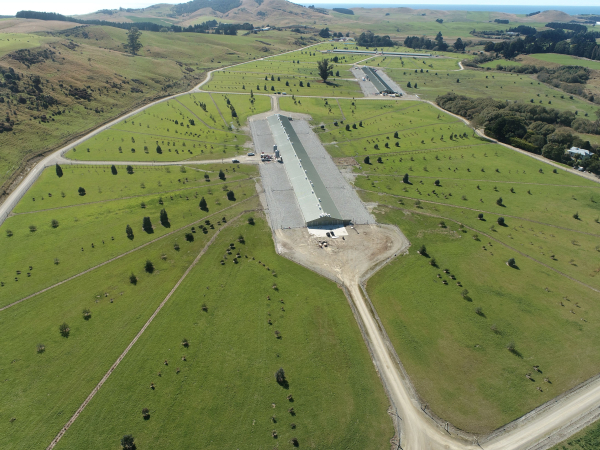
Movement controls have been lifted from Mainland Poultry’s Hillgrove Farm in Otago, after the successful eradication of H7N6 strain of high pathogenic avian influenza (HPAI).
When HPAI H7N6 was detected in poultry at the property in early December, the Ministry for Primary Industries (MPI) moved swiftly to stamp out the virus.
MPI chief veterinary officer Dr Mary Van Andel notes that while there is still work to be done, the lifting of movement controls is a significant milestone in the response and means that Mainland Poultry can begin the process of returning to business.
“We’re grateful to Mainland Poultry, which did the right thing in notifying us as soon as an exotic disease was suspected and for working with us in partnership to successfully stamp out this disease.”
MPI immediately put strict movement controls on the property to prevent goods or anything else that might be carrying the virus leaving the property.
Van Andel says more than 5,600 tests were carried out on samples from poultry and wild birds, including from 36 flocks across 5 farms linked to Mainland’s Hillgrove property. HPAI was not found anywhere other than Hillgrove, giving confidence that the disease had been contained and stamped out.
Chickens on the farm were humanely euthanised and disposed of in a secure landfill, along with eggs, litter and manure from the farm. This was followed by an extensive cleaning and disinfection process.
“The processes we have followed – depopulation and disposal, decontamination of the site and extensive surveillance – give us confidence that the virus has been eradicated,” she says.
MPI staff will continue to support Mainland as the farm is repopulated.
“Good progress is being made to restore trade, with around $300 million of trade in poultry products recovered to date.”
MPI has worked with overseas government counterparts and industry partners in New Zealand to meet market requirements and has also proposed alternative assurances to some markets. MPI continues to work towards the reopening of trade for others.
Van Andel says testing indicates that the infection at Hillgrove is likely to have occurred after free-range laying hens foraging outside were exposed to wild birds with a low pathogenicity (LPAI) virus strain, which then mutated in the hens to become HPAI.
“This is the first time such an event in New Zealand has been documented and our first case of HPAI. We’ve learned a lot from this response that will help us to prepare for HPAI H5N1 if it spreads here.”