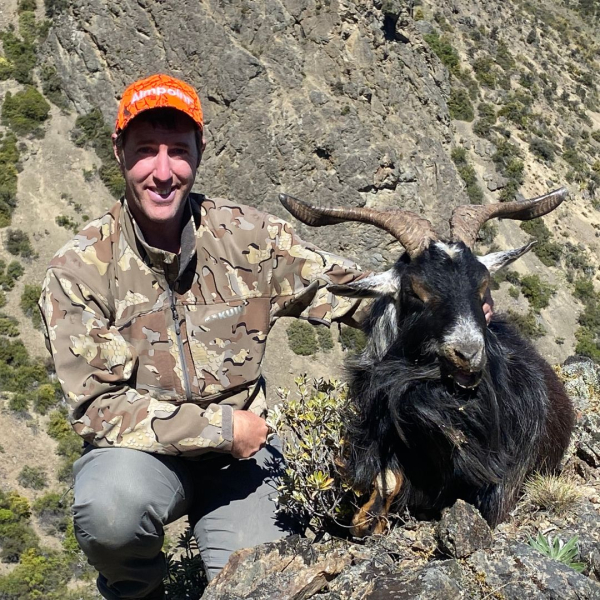
The National Wild Goat Hunting Competition has removed 33,418 wild goats over the past three years.
This year alone, 10,349 tails were entered by 863 hunters from right around the country. Organisers says this year’s results confirm another strong year of conservation effort from hunters, landowners, and NZ Deerstalkers Association branches nationwide.
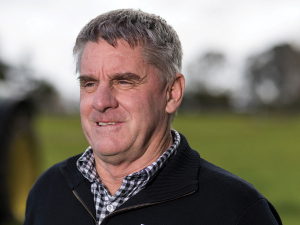
“Hunters have once again shown what targeted, community-led pest management can deliver,” says NZDA Goat Competition liaison & landowner assist project lead, Trevor Gratton.
“These results reflect thousands of voluntary hours on the hill, and the conservation gains speak for themselves.”
What began three years ago as a simple way to boost participation in goat control has now grown into a nationwide partnership between hunters, landowners, and the Department of Conservation.
NZDA branches played a central role again this year, supporting entrants, coordinating with local DOC staff, and ensuring tails and trophy heads were counted and submitted correctly.
Participation spanned all ages, with youth engagement remaining a standout feature. Around a quarter of all entrants were under 18, continuing a positive trend towards bringing more young hunters into safe and ethical goat management.
“For me, it was great seeing everyone getting out there, doing the mahi, and making a real dent in wild goat numbers. Families, first-timers, and seasoned hunters all got stuck in. He waka eke noa - we’re all in this together,” says Gratton.
The competition’s reach continues to grow thanks to support from national partners including Hunting & Fishing New Zealand – a founding sponsor.
“Our sponsors understand that hunters contribute directly to conservation,” says Gratton.
“Their support keeps the competition accessible and helps us get the message out about the real work hunters are doing.”
This year also saw a significant lift in interest in NZDA’s Landowner Assist programme, which connects hunters with farmers, forestry managers, and councils needing ongoing game animal control support.
“The Goat Comp has opened the door to practical, long-term relationships with landowners,” Gratton explains.
“They want skilled, insured hunters they can trust - and NZDA branches are stepping up to meet that need.”
These partnerships are helping reduce pressure on pasture and regenerating bush, while giving members new opportunities to access hunting blocks and contribute meaningful conservation work.
Organisers says the National Wild Goat Hunting Competition has quickly become one of New Zealand’s most effective examples of hunters contributing to conservation outcomes at scale. The partnership between NZDA, DOC, landowners, and communities remains central to its success.
“This competition proves what’s possible when we all pull in the same direction,” Gratton says.
“Hunters want to be part of the solution - and the results show they already are.”