
Patterson: Rural NZ Faces a "Massive" Infrastructure Deficit
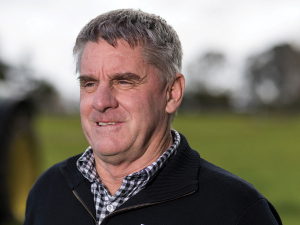
The Minister for Rural Communities, Mark Patterson, says there's a massive infrastructure deficit in rural areas.
 increase font size
 Chorus executive general manager of Fibre Frontier, Anna Mitchell
Telco infrastructure provider Chorus says that it believes all Kiwis – particularly those in the rural areas – need access to high-speed, reliable broadband.
Chorus executive general manager of Fibre Frontier, Anna Mitchell told Rural News that its copper network has played a pivotal role in their national infrastructure, however, is now approaching end of life.
“The significant uptake in fibre and rise of innovative technologies such as satellite internet, expanded broadband access and regional wireless providers (WISPs), underscores the need for a timely reassessment of the copper network’s role and regulations as we look to retire the network within the decade,” she says.
Her comments come as the Commerce Commission says begins a formal investigation into the future of the copper network.
“Chorus strongly supports this investigation as regulatory settings should evolve as circumstances change,” she says.
“This will allow investment to be directed towards future-proof technologies that meet the changing needs of Kiwi homes and businesses. With many retailers moving away from promoting or selling copper-based services, we’re committed to working collaboratively with the Commerce Commission and other stakeholders to achieve this transition.”
“As New Zealand’s largest telecommunications infrastructure provider and the owner of the national copper network, Chorus believes all Kiwis – particularly those in the rural areas – need access to high-speed, reliable broadband,” says Mitchell.
Telecommunications Commissioner, Tristan Gilbertson says the Copper Services Investigation is the first step in the process, scheduled for completion by 31 December 2025.
The investigation could see copper deregulated outside fibre areas.
“Our copper network has been the backbone of telecommunications services for generations and has served us well – as have the regulatory protections wrapped around it. This investigation is about making sure that regulation keeps pace with change and remains fit-for-purpose,” Gilbertson says.
The Copper Services Investigation is focused on determining whether competitive, affordable alternatives to copper exist – and, if so, whether removing or reshaping copper regulation is in the best interests of consumers.
The Minister for Rural Communities, Mark Patterson, says there's a massive infrastructure deficit in rural areas.

Federated Farmers' new vice president Sandra Faulkner says the issue of adverse events emergency management and infrastructure needs to be taken out of the three-year political cycle.
OPINION: The phasing out of copper network from communications is understandable.
Rural communities say support is required to shift away from the copper network that has been the only source of internet connection for some parts of rural New Zealand.
The Infrastructure Commission has endorsed a plan by Chorus to expand fibre broadband to 95% of New Zealand much to the delight of rural women.


Federated Farmers has welcomed new rural policies released by ACT, saying they align closely with its own election priorities.

Rural Contractors NZ says proposed changes to land transport rules for agricultural vehicles are a welcome response by the Government to out of date regulations which have seen members hit with huge fines.
Alliance is calling for final applications for its 2027 Graduate Programme, with applications closing on Sunday 25 October.
Decades piloting planes has ensured vet and farmer David Hayes is focused on safety. So, after a serious accident while welding on farm, he is sharing his experience so others can learn from it.
Canterbury milk processor, Synlait Milk has confirmed Leon Fung as its chief executive officer.
OPINION: Making it easier to collect rainwater and use it to grow crops and livestock is a no brainer.