Fines For Velveting Without Pain Relief, Illegal Slaughter and NAIT Breaches
Three men have been sentenced in District Courts after Ministry for Primary Industries prosecutions over animal welfare, food safety and cattle tracing offences.
 increase font size
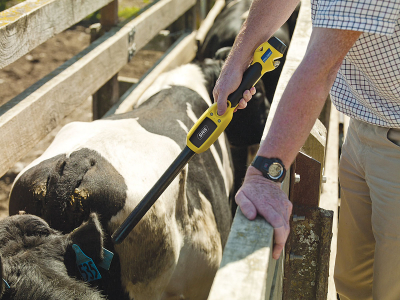
Proposed law changes to further improve the National Animal Identification and Tracing (NAIT) scheme were unveiled last month by Minister for Biosecurity Damien O’Connor.
The NAIT Review, released in 2018, and the Mycoplasma bovis Eradication Programme highlighted significant flaws in the NAIT scheme.
“These proposals are the next step to create the animal tracing scheme New Zealand needs to keep our primary sectors and economy safe,” O’Connor says.
The proposed changes will:
- tighten rules for handling untagged animals,
- improve the use of data,
- align penalties with other Acts to reflect the seriousness of non-compliance, and
- make changes to the performance framework for the organisation running NAIT (NAIT Ltd).
This follows changes made last year to improve the NAIT scheme, including operational changes within OSPRI, and some minor technical changes to the Act.
Farmers and industry were widely consulted on proposals in late 2018 and the feedback was considerable, and overall positive.
“I have heard the calls from industry for common sense changes to make NAIT an effective business and biosecurity tool.
“The proposed changes will ensure there is proper oversight of the agency managing the scheme, and gives the Government the ability to deal with any performance issues that affect biosecurity or food safety.
“NAIT compliance has improved in recent months and that helps in tracking and tracing animals in the M bovis eradication programme as we step up our efforts and try to trace every possible infected animal. However, more work is required to improve NAIT.”
The Cabinet has agreed to introduce the legislation in the latter half of this year.
“The next step is to draft the new law, which will then go through the Parliamentary select committee process, giving people yet another avenue to express their views on the final proposals,” says O’Connor.
“Meanwhile, efforts to get more farmers fulfilling their NAIT obligations have ramped up with NAIT putting a big focus on educating farmers about their obligations and how to use the system.
“Compliance is important, but we should also make it easy.
“This means we need to do more work to ensure we have a world-class traceability system that is future proofed,” he added.
“When there is wilful non-compliance with the NAIT scheme, the entire sector is put at risk. This is unacceptable and I know MPI is focusing on holding those people to account.
“Combined, these steps will see real changes for the industry and improvements to our biosecurity system,” O’Connor said.
Three men have been sentenced in District Courts after Ministry for Primary Industries prosecutions over animal welfare, food safety and cattle tracing offences.

OPINION: It's no surprise that "world-class biosecurity" continues to dominate as the top priority for agribusiness leaders, holding the number one spot for the 16th consecutive year in KPMG's latest agribusiness report.
A miserable budget that didn’t deliver much for anyone.
Moving Day (June 1) is just around the corner and farmers who are moving farms with the herd are being urged by Ospri to start preparations now.
National's decision to ‘dribble’ information about the NZ/India to Labour contributed to the delay in it deciding to supported the FTA.


Worst election result imaginable for New Zealand and not good for business confidence.

Associate Agriculture Minister, Mike Butterick has lost his Wairarapa seat in the final count released today.
Women across the dairy sector have an opportunity to invest in their leadership, education and professional development, thanks to a scholarship fund.
Three of New Zealand's leading primary sector organisations have joined forces to propose a new Food and Fibre Private Training Establishment (PTE).
OPINION: The World Dairy Summit, held in Auckland last week, delivered a poignant message – when it comes to global trade, the old order has passed away.
Deer Industry New Zealand (DINZ) has welcomed Government co-investment in a new $10 million programme aimed at increasing the value of New Zealand farmed venison, velvet and co-products and improving returns to deer farmers.