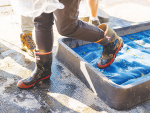
Biosecurity Ranked Top Priority In KPMG Agribusiness Agenda 2026
According to new research, industry leaders have ranked world-class biodiversity as the number one priority for the 16th year in a row.
 increase font size
 KPMG's global head of agribusiness, Ian Proudfoot.
KPMG's global head of agribusiness is warning NZ companies exporting to Europe to be aware of what could happen if Britain decided to quit the European Union (EU).
Ian Proudfoot, just home from a visit to Ireland, says there was much discussion there about Britain exiting the EU (Brexit). A vote on this is due on June 25 and Proudfoot says the polls are evenly poised -- the vote could go either way.
Other polls show 60% of British farmers want out of the EU, but 88% of economists polled are strongly in favour of Britain staying in.
Proudfoot says even if Britain votes to stay in the EU, its relationship with the other 27 member countries will never be the same. If Britain decides to go it alone there are implications for NZ.
"The message for me was that companies doing business with Europe should start thinking about the implications of Brexit," Proudfoot told Rural News.
"The European market is highly volatile and the risk of that volatility getting greater hasn't gone away yet. If NZ companies have their trading base in Britain, as most do, that could be a significant challenge for them if the UK was no longer part of a free common market."
Proudfoot says if Britain decides to exit the EU it would probably create an opportunity for NZ. Britain would probably look to its old Commonwealth allies such as Canada, Australia and NZ to get a special trading agreement in place. But he believes if Britain exits, NZ would lose the leverage it has with Europe by virtue of its special relationship with Britain.
According to new research, industry leaders have ranked world-class biodiversity as the number one priority for the 16th year in a row.

Biosecurity remains the top priority for agribusiness leaders, according to KPMG’s 2025 Agribusiness Agenda released last week.
Biosecurity remains the top priority for agribusiness leaders, according to KPMG's 2025 Agribusiness Agenda released last week.
OPINION: In the same way that even a stopped clock is right twice a day, economists sometimes get it right.
OPINION: Noted economist and self-promoter Cameron Bagrie took one look at KPMG's recently released Financial Institutions Performance Survey on banks and zeroes in one key number that suggests banks are so risk averse in this country that they are probably stifling growth and innovation.


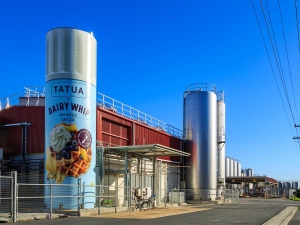
Waikato milk processor Tatua has again declared a record milk payout to farmer shareholders, leaving other processors in the dust.
A Labour-led Government won’t be bringing back the controversial freshwater rules of 2020.
National’s much-touted free trade deal with India featured in the Rural Issues Debate at Mystery Creek, Hamilton on Wednesday night.
New Zealand's 2026-27 freshwater fishing season has opened, with anglers encouraged to head to rivers and lakes over the coming days as conditions look favourable across much of the country.
Central Otago District Council (CODC) has voted against a plan to spread treated sewage sludge from Cromwell and Alexandra on farmland near Lauder, a decision Federated Farmers says reflects strong opposition from rural residents.
Pāmu has released its FY26 Integrated Annual Report, reporting a Net Operating Profit of $113 million, more than double the $49 million recorded in FY25.