Pāmu FY26 Report: Profit More Than Doubles to $113m
Pāmu has released its FY26 Integrated Annual Report, reporting a Net Operating Profit of $113 million, more than double the $49 million recorded in FY25.
 increase font size
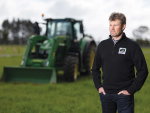
 Scottie Chapman, chief executive Spring Sheep Dairy, talks with Steven Joyce and Hamilton East MP David Bennett at the new plant last week.
Sheep milk has the potential to become a $200 million industry within 10 years, says Waikato Innovation Park chief executive Stuart Gordon.
A new $5 million FoodWaikato wet processing plant opened last week will help grow the sheep milk sector, he says.
One of its first sheep milk customers is Spring Sheep Dairy, a joint venture between Landcorp and businessman Scottie Chapman. The company will use the dryer to make value added sheep milk products for export.
Gordon says FoodWaikato is keen to help grow the sheep milk industry.
“There is a real opportunity to grow the industry to a $200m business. Spring Sheep Dairy is growing markets and supply, we will be manufacturing for them,” he told Rural News.
The new plant is expected to inject an extra $38.5m per year in export revenue back into the New Zealand economy from the sale of new, value-added consumer products directly produced there.
The first stage of the plant, a spray dryer, was opened in May 2012, funded by Innovation Waikato Ltd and a Government grant of $3.95m. It cost $12.8m to complete.
Gordon pointed to the success of the Hamilton Diary Goat Cooperative, which used the FoodWaikato dryer while building its second dryer.
“There is no reason why the sheep milk industry cannot achieve something similar to dairy goats,” he says.
“We try to get people to build markets and supply, at the same time providing bridging manufacturing facilities. We keep them going for three to four years and when they have enough market and supply, they set up their own plant and move on.”
Dairy Goat Co-op turned to FoodWaikato when its first 1 tonne/hour dryer reached capacity.
Gordon says Food Waikato allowed the co-pop to build its supply and markets and invest in a new dryer while helping with processing goat milk.
FoodWaikato’s second stage was largely funded by a $3m equity injection from Callaghan Innovation and is not just limited to milk processing. It allows specialty ingredients such as vitamins, minerals and oils to be wet blended with milk or fruit juice prior to being spray dried.
“The functional and regulatory constraint of the plant as it was, meant we were limited to processing liquids in the form they arrived in at the site, which created challenges for many of the target firms FoodWaikato was created to assist,” says Gordon.
“Higher value products like infant formula and aged care formula tend to involve mixtures of ingredients, but mixing offsite and transporting to FoodWaikato created regulatory, product integrity and processing challenges.
“So we have added ‘wetside’ processing capability that now allows the mixing process to be done onsite, meaning FoodWaikato can now provide a greater level of development and innovation capability to dairy companies – cow, goat and sheep – and to fruit and vegetable producers.
Pāmu has released its FY26 Integrated Annual Report, reporting a Net Operating Profit of $113 million, more than double the $49 million recorded in FY25.

A partnership between state-owned enterprise Pāmu (Landcorp Farming Limited) and charity Meet the Need is putting more than quality New Zealand beef into food bank parcels this year.
State farmer Pamu has delivered its strongest operating result on record.
State farmer Pāmu (Landcorp) has announced it will pay a $10 million special dividend to the Crown off the back of a strong outlook for the business and a capital repayment of $9.5 million following Fonterra's consumer business sale.
Sheep infant nutrition maker Blue River Dairy is hoping to use its success in China as a springboard into other markets in future.


Mark Hooper has been appointed the new chair of NZPork, the industry organisation representing New Zealand pig farmers.

As the India-New Zealand free trade agreement enters into force, New Zealand’s apple industry has reaffirmed its commitment to the long-term development of India’s apple sector.
Fonterra shareholders can begin voting on Tuesday 20 October in the 2026 Board of Directors’ election, a Co-operative Council election in one Ward, and seven Annual Meeting resolutions.
National’s pledge to introduce 19 new national standards shows the party is serious about getting Wellington out of farming, Federated Farmers says.
The National Party’s policies to make it easier to grow fresh vegetables, secure reliable water and energy and simplify farm planning are practical changes that will give growers the confidence to invest, according to Horticulture New Zealand (HortNZ).
Fonterra Co-operative Group chief financial officer Andrew Murray has resigned to take up a role outside the dairy giant.