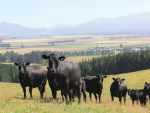
The Neogen World Angus Forum, a major event in global Angus beef industry, is set to return in 2025.
The two-day forum, which convenes every four years, will take place in Brisbane, May 7-8, 2025, drawing breeders, researchers, and agricultural leaders from across the globe. Organisers say this event will highlight groundbreaking advancements in Angus genetics, sustainability, and technology, "further solidifying the role of Angus beef in feeding the world".
An array of speakers will cover advancements in genetics, showcasing how innovative techniques are enhancing beef quality, marbling, and tenderness. Discussions will also cover improved feed efficiency and disease resistance, which are pivotal for sustainable beef production.
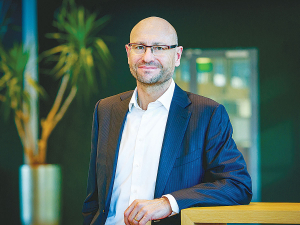
Scott Wright, chief executive officer of Angus Australia, emphasised the importance of this event for the global beef industry.
"The 2025 Neogen World Angus Forum provides a unique platform for collaboration, enabling us to share insights and drive innovation in Angus beef production, This forum is critical for addressing global challenges related to food security and sustainable farming practices."
By bringing together stakeholders from different regions, the 2025 Neogen World Angus Forum aims to foster local genetic initiatives that can be adapted to various environments and farming practices. This collaborative approach is said to ensure that the benefits of genetic advancements are accessible to all Angus breeders, regardless of geographic location.
Participants will have the opportunity to engage in interactive sessions, panel discussions, and hands-on demonstrations. These activities are designed to provide actionable insights and practical knowledge that attendees can implement in their own operations. The forum's focus on genetics and technology reflects the industry's commitment to continually improving production efficiency and beef quality.
The event will also serve as a platform for networking, allowing participants to connect with peers, share best practices, and form lasting partnerships. Organisers say the exchange of ideas and experiences among breeders, researchers, and industry leaders is vital for driving progress and ensuring the long-term sustainability of the Angus beef industry.
"The advancements in Angus genetics that we'll be discussing at the forum are essential for the future of beef production," says Wright.
"Our goal is to equip breeders with the knowledge and tools they need to produce high-quality, sustainable beef, which is more important now than ever before."