
Fines For Velveting Without Pain Relief, Illegal Slaughter and NAIT Breaches
Three men have been sentenced in District Courts after Ministry for Primary Industries prosecutions over animal welfare, food safety and cattle tracing offences.
 increase font size
 An old map of properties with either with active confirmed cases of Mycoplasma bovis (black) or under a Notice of Direction (blue). Photo: Supplied/MPI
Farmers are being encouraged to have their say on a proposal to move the Mycoplasma bovis (M. bovis) eradication programme into a National Pest Management Plan (NPMP) as it moves to a new phase.
M. bovis governance group chair Kelvan Smith says eradication partners – DairyNZ, Beef+Lamb New Zealand, and the Ministry for Primary Industries – are seeking farmers’ views on the NPMP.
“With no active confirmed infection in New Zealand we have made good progress, but it hasn’t been easy getting here. The three partners recognise this and want to ensure that the ongoing activity causes minimal disruption to farmers.”
OSPRI has been nominated as the management agency for the NPMP proposal.
Smith claims that with natural synergies in running the M. bovis programme alongside NAIT and the TBFree plan, there is potential for up to $15m in savings across the three programmes.
“We all know how crucial the NAIT system is for the timely tracing of cattle that may have been in contact with infected cattle. The programme can achieve efficiencies by aligning some aspects of M. bovis testing alongside TB testing,” he adds.
“By combining resources and capability, it will allow the programme to continue to adapt and help strengthen New Zealand’s biosecurity system.”
Smith says the efforts and sacrifices of farmers cannot be overstated and the improvements in on-farm biosecurity is heartening. He adds that farmers have been significantly impacted by M. bovis but have also played a key role in the programme making the progress it has. “The current administrative model has worked well, providing the necessary support and resources to get us to where we are now,” he adds. “With the next few years focused on background surveillance, a different model, and some different capability, is required to ensure we are getting the best value for the taxpayer and farmer levy payers.”
While it is expected farmers and rural groups directly affected by M. bovis will notice very little difference under the proposed model, programme partners are seeking feedback on some key changes including:
“The NPMP is open for consultation and we want to ensure we end up with a model that works for everyone, especially farmers who are most impacted by M. bovis,” Smith says.
“While there is currently no known active infection, it is possible more will be identified before we can declare the job is done and the proposal includes contingency arrangements for OSPRI to eradicate any small numbers of cases of infection subsequently identified in future.”
Feedback on the draft proposal is being sought from those who play an important part in the eradication effort including farmers, meat and dairy processors, testing labs, and vets. Public consultation runs from 14 August to 25 September.
“We believe our proposal will ensure the programme continues to adapt to the work that remains ahead and make the most of the significant gains made todate. We look forward to reviewing the feedback from the consultation.”
The full NPMP proposal and more information including how to make a submission can be found on the MPI website Administration of the Mycoplasma bovis Eradication Programme www.mpi.govt.nz . Submissions can be made online or through post.
M. bovis Programme Numbers, August 2023
Three men have been sentenced in District Courts after Ministry for Primary Industries prosecutions over animal welfare, food safety and cattle tracing offences.
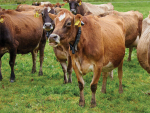
Having spent more than 23 years in the New Zealand dairy industry as a dairy farmer, technical adviser, and dairy farm consultant, including seven years working directly with farmers to improve herd performance and profitability, I have learned that outstanding fertility results rarely happen by chance.
Worms are present on every farm; it’s ensuring there are enough worms that are susceptible to drench within your farm system, through the use of refugia, that is a key tool in slowing the rise of drench resistance.
A dairy industry leader believes eradicating the common and costly disease, Bovine Viral Diarrhoea (BVD) is within reach.
Farmers with high-quality feed available in late spring could consider weaning at least a proportion of their lamb crop early to benefit both lambs and ewes.



Three men have been sentenced in District Courts after Ministry for Primary Industries prosecutions over animal welfare, food safety and cattle tracing offences.
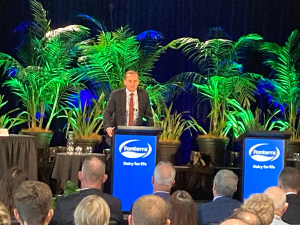
Fonterra’s 2026 financial year was a year of delivery, with record volumes of milk collected, processed and shipped by the co-op.
OPINION: The Government's decision to reinstate agriculture and horticultural science as a standalone subject from Year 11 is the right one.
Dairy farmers, still holding onto their Fonterra shares despite switching milk supply elsewhere or exiting the industry, now face a stricter share sell-down requirement.
Hamilton-based agritech company Aimer Farming has completed a $3 million capital raise to support its next stage of growth, including a beef farming product due to launch in 2027.
When dairy manager Miriam Lauridsen learned the farm, she was joining held weekly health and safety meetings, she initially thought that was “a bit over the top”. Experiencing that culture changed her mind.