Mary Bowron Named Best Sheep and Beef Vet of the Year
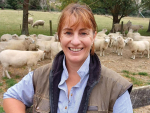
B+LNZ's Wormwise veterinarian Mary Bowron has won the Best Sheep and Beef Vet of the Year Award in recognition of her outstanding contribution to New Zealand’s sheep and beef sector.
 increase font size
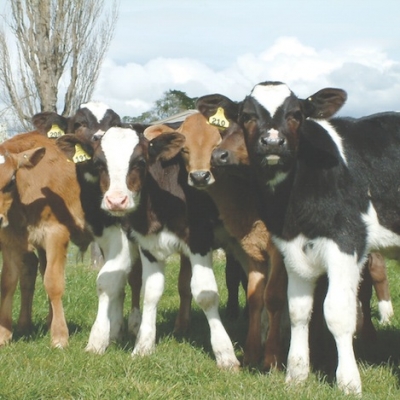 NZVA recommends vaccinating young stock early.
THE NEW Zealand Veterinary Association has added its voice to recent reminders to protect herds and people from leptospirosis and is urging an earlier start to vaccinations.
“New Zealand has one of the highest rates of leptospirosis infection in the world with 120 human cases reported each year,” points out Dr Jenny Weston, president of the NZVA’s Society of Dairy Cattle Veterinarians.
Weston says incidence may be even higher than that “as there could be many more unreported cases, with recent research suggesting there could be up to 40-50 undiagnosed cases for every case that is reported.”
The NZVA recommends vaccinating young stock against leptospirosis early and maintaining protection through animal boosters. Weston warns it’s a highly infectious disease and passes from animals to humans with farmers, vets and meat processors most at risk of contracting it.
Many people who contract the disease mistake the symptoms for a bad dose of the flu. She says people should seek medical attention to obtain the correct diagnosis and treatment. “It’s a serious illness which can be fatal.”
Common practice has been to vaccinate calves at six months of age to stop them spreading the disease but recent evidence suggests this needs to happen at the earlier age of three months, says Weston.
“Delaying vaccination can result in those animals, if exposed to infection, continuing to ‘shed’ – or pass leptospirosis organisms in their urine – when they’re adults. The most critical aspect of leptospirosis control and vaccination is to stop animals shedding.”
Weston says following NZVA’s Leptosure risk management programme (see panel) means you can be confident that all ‘practicable steps’ are taken to prevent leptospirosis infecting people. Expert advice from a local vet should be sought and if the farm is a high risk farm, to vaccinate earlier. Spring-born calves should be vaccinated before Christmas, and if they’re going off the property, vaccination should be before they leave.
NZVA has worked for years with leptospirosis researchers at Massey University and with Rural Women NZ to promote the importance of leptospirosis control.
Sheep, deer, beef cattle added to Leptosure
Leptosure is the national risk management programme developed by NZVA and the NZVA Society of Dairy Cattle Veterinarians to reduce the risk of human leptospirosis infection on New Zealand dairy farms. The programme has recently been expanded to cover beef cattle, sheep, deer and dairy cattle.
B+LNZ's Wormwise veterinarian Mary Bowron has won the Best Sheep and Beef Vet of the Year Award in recognition of her outstanding contribution to New Zealand’s sheep and beef sector.
Equine veterinarians say horse owners need to stay alert and communicate with their vets following an outbreak of the highly contagious bacterial disease Strangles in the North Island.
Vets say they support the responsible use of virtual fencing and virtual herding technology for cattle and wants to work with farmers, manufacturers and government to help shape standards for future use backed by ongoing research to strengthen animal welfare outcomes.
Animal owners can help protect life-saving antibiotics from resistant bacteria by keeping their animals healthy, says the New Zealand Veterinary Association.
Around 97% of New Zealand pet owners value the care provided by their vet teams, but the broader contribution of animal health professionals to society often goes unseen, a new study has revealed.


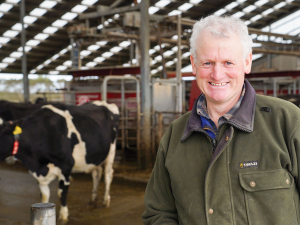
In Dacre, near Invercargill in New Zealand’s South Island, Bruce Dinnington is running a dairy operation unlike any other.

A free online platform aggregating governance vacancies across rural and regional New Zealand has been launched.
Environment Minister Nicola Grigg has announced details of a new rural plastics recycling scheme.
Agricultural drone operators say that a government decision to allow lower-risk drone work without certification won’t lower standards but drive innovation and efficiency.
OPINION: Warning bells are ringing in the arable sector.
Now in its fourth year, the 2026 Fencing Industry Awards, formed part of the proceedings of the FCANZ Conference, held in Nelson during August.