Industrial Hemp Regulations Revoked as New Zealand Opens New Era for Hemp Industry
From last week, the Industrial Hemp Regulations 2006 have been revoked.
 increase font size
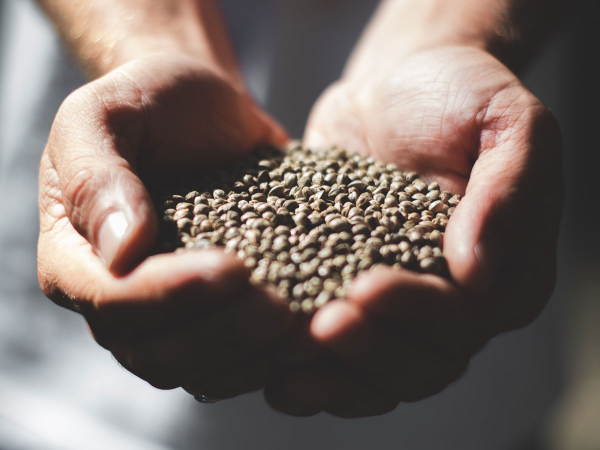
Hemp fibre processor Rubisco is relocating its core processing facility to Ashburton as part of a $20-$30 million expansion to leverage what it says is an accelerating global demand for sustainable and renewable fibres.
The Carrfields majority-owned company installed a European hemp decorticator machine, which separates the valuable bast fibres from the woody hurd, at a former wool carpet factory in Burnside, Christchurch, just six years ago. The company says demand for its services has now surpassed its capacity.
By relocating the decortication line to a purpose-built facility in Ashburton, Rubisco will be closer to its primary hemp fibre supply base, streamlining the supply chain and reducing transportation emissions.
The Burnside facility remains the company's centre for product development, advanced textiles, functional fibres, biocomposites, and non-wovens.
Rubisco CEO Guy Wills said the decision to move operations to Ashburton was both practical and forward-thinking.
"With the strength of our local supplier network and rising demand for hemp products, the new facility will position Rubisco to scale up production and continue to innovate."
From last week, the Industrial Hemp Regulations 2006 have been revoked.

The New Zealand hemp industry is hoping for quick and comprehensive reform of its legislative framework after a recent "historic" visit to sites in Canterbury by a big group of politicians, officials and industry stakeholders.
OPINION: Local Government is badly underfunded. Economic circumstances demand a new approach to funding the constant burden of infrastructure delivery and renewal. The costs can be eased for rural ratepayers.
OPINION: Local government is badly underfunded.
A study of hemp growing between the rows in New Zealand vineyards shows “exciting” results that the hemp beneficially affects soils and wines.


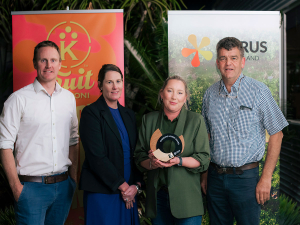
New Zealand's citrus growers were challenged to build their future on the value embedded in their fruit rather than the volume they produce, at Citrus New Zealand's annual gathering in Gisborne on 17 September.
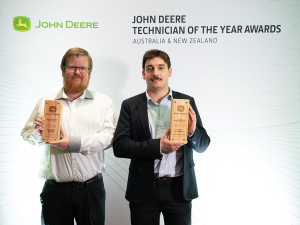
Leading John Deere technicians and apprentices from New Zealand and Australians were recognised at the recent sixth annual JD Technician of the Year Awards, held in Brisbane.
In Dacre, near Invercargill in New Zealand’s South Island, Bruce Dinnington is running a dairy operation unlike any other.
A free online platform aggregating governance vacancies across rural and regional New Zealand has been launched.
Environment Minister Nicola Grigg has announced details of a new rural plastics recycling scheme.
Agricultural drone operators say that a government decision to allow lower-risk drone work without certification won’t lower standards but drive innovation and efficiency.