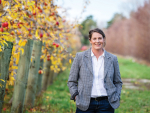
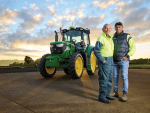
HorticultureNZ chair Barry O'Neil believes the mood in the sector is more positive than it's been all year.
He says after all the rain and weather events that have plagued the sector and caused terrible damage, things are looking much brighter as spring begins.
O'Neil's reasonably optimistic that the sector is going to have a far better season. He told Hort News there is optimism with the growth that is happening.
However, O'Neil adds that the unknown with fruit crops is what the flower capacity will be, and what the vine and trees loads will be able to carry as the fruit develops.
"There is still a question mark as to whether we will get a full bumper crop or whether we will have to reduce out crop in the light of status of the threes and vines being stressed," he explains.
O'Neil says the prospect of El Nino is less of a worry to growers than in past seasons when the very wet and windy La Nina has prevailed. He adds that fingers are crossed that there will be less water saturation and more sunshine for crop growth.
"It's hard to generalise, but most in the hort sector - including vegetable growers - can manage a drier El Nino-type impact rather than the very wet and windy La Nina," O'Neil adds.
"For those of us who have access to water and shelter we can manage with the wind events that we've just had. But when it's wet and you don't have the sunshine hours it's really hard to grow."
O'Neil told Hort News that in terms of the recovery in Hawke's Bay and Tairawhiti, it will be a long road for some - especially those whose orchards have been wiped out. He says some have managed to clean out silt and re-grass and at least start to get their land stabilised.
However, he adds there are those whose land is so severely damaged that they won't be able to replant, and their future is uncertain. O'Neil says people are aware of the government support options.
"Growers have time to talk to their banks about the situation and see what support is available. They may also have to talk to their insurance companies and hopefully they can get enough support around them to start making things happen."
While significant areas of prime horticulture land appears to be lost - especially in places such as the Esk Valley in Hawke's Bay - O'Neil still believes that the horticulture sector will continue to expand. He points to the fact that kiwifruit, apple, avocado and cherry plantings have been expanding significantly in recent years.
"While that expansion rate will have slowed down a little bit, I still expect horticulture to expand significantly going forward," he adds. "Providing we have the right government policy settings that will support and not restrict growing."