NZ Apple Sector Pushes for Japan & Korea Market Access
The apple sector is working with the Government to unlock access to two key markets that could bring millions in revenue for apple growers.
 increase font size
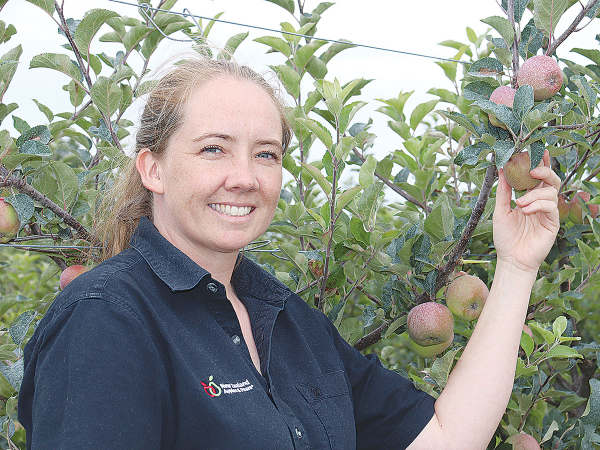 New Zealand Apples and Pears acting general manager Danielle Adsett.
Early forecasts for New Zealand's apples and pears point to a standout season marked by exceptional fruit quality and high pack-out rates.
A largely quintessential growing season across key regions has delivered a significant boost to productivity, across both traditional and new IP varieties.
It is a welcome return to form for the industry after several challenging years, that included Covid‑19 disruptions and extreme weather events, says New Zealand Apples and Pears (NZAPI) acting general manager Danielle Adsett.
“It’s incredibly heartening to see,” says Adsett. “The fruit looks and, most importantly, tastes fantastic. Growers are reporting excellent quality, early pack-outs are tracking really well and there’s a real sense of optimism across the industry.
“While we are still building toward previous pre-Covid peaks, this year’s improved productivity numbers are the real gamechanger for growers. After an excellent 2025 harvest, this season is also tracking in the right direction.”
A warm, dry spring with good growing degree days and high levels of solar radiation has resulted in large fruit with vibrant colour and delicious eating quality.
Apples and pears from all growing regions are expected to store superbly for export markets.
“We’re delighted with the significant uplift in productivity, which can largely be attributed to the maturation of new plantings of IP varieties,” says Adsett.
“It is particularly valuable given New Zealand apples and pears are in high demand, due to expansive opportunities across a number of our global markets and the premium quality of fruit.”
Productivity gains are attributed to the strong focus from growers to transitioning their orchards to more highly-productive growing systems, that are more efficient and deliver higher yields.
“The new IP varieties deliver higher yields and attract stronger returns in global markets, however some of these orchards are still relatively young,” says Adsett. “They need time in the ground before they reach full production, which suggests further growth and improved productivity is in the pipeline.”
New Zealand’s apple and pear industry is a major contributor to national export earnings as well as regional economies and supports New Zealand’s reputation as a leading producer of premium, safe and sustainably grown food.
As the 2026 harvest gathers momentum, growers are focused on delivering consistent quality to customers around the world, while continuing to invest for the future.
The apple sector is working with the Government to unlock access to two key markets that could bring millions in revenue for apple growers.

For 50 years, Tasman's Mel Ewers has been helping the apple sector navigate through compliance issues and training.
More than 300 growers, exporters, researchers, service providers and industry leaders will descend on Queenstown later this month for EXPO 2026, the annual conference for New Zealand’s apple and pear sector.
Eighteen months ago, when negotiations for a free trade deal with India were announced, New Zealand apple growers expressed their desire to be part of the deal.
The chief executive of Apples and Pears New Zealand, Danielle Adsett, says fruit quality this year is phenomenal and the sector is hitting crop estimates, which is great for growers.



OPINION: The time has come for the Government to back the organic sector.
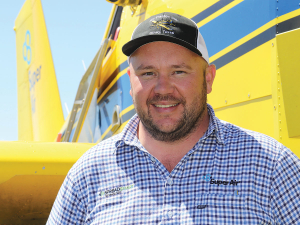
Plan ahead and be patient. That’s the message to farmers and horticulturalists from the chairman of the NZ Agricultural Aviation Association, Kent Weir.
The industry is crying out for graduates with agricultural related degrees.
While GPS and guidance have become the norm and yield mapping and variable application continues to gain traction, most agricultural machinery manufacturers continue to expand their technology offerings, amalgamating the vast amounts of data being collected to streamline real-time and ongoing management decisions.
Supply chain problems, growing protectionism and a move to greater food security are some of the key challenges facing New Zealand exporters, according to our top trade negotiator, Vangelis Vitalis.
A spat within the ranks of the New Zealand Deer Farmers Association has resulted in the suspension of outspoken North Canterbury farmer Barry Cuttance.