NZ Apple Sector Pushes for Japan & Korea Market Access
The apple sector is working with the Government to unlock access to two key markets that could bring millions in revenue for apple growers.
 increase font size
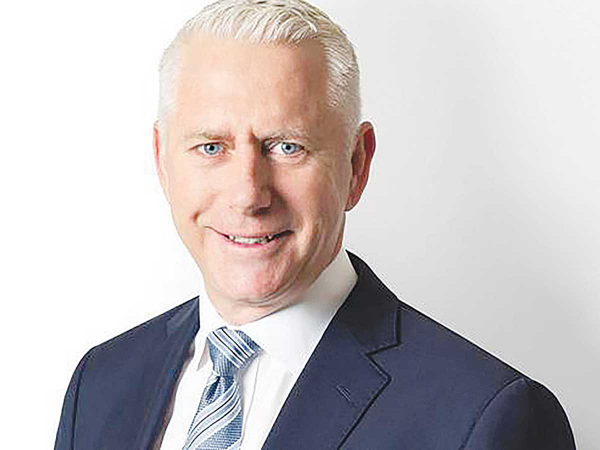 T&G chief executive Gareth Edgecombe says independent research has forecast that another 25 million trays of Envy apples will be needed by 2030 to meet potential consumer demand
NZ-bred Envy apples, developed and produced by T&G Global, had a record season last year with a 23% increase in international sales.
This generated more than a billion dollars of sales in 2020, with plenty of growth predicted ahead.
T&G chief executive Gareth Edgecombe says independent research has forecast that another 25 million TCEs will be needed by 2030 to meet potential consumer demand, especially in China, Vietnam, Thailand and the USA.
The company is currently producing about five million 18kg boxes of apples a year. However, Edgecombe expects to be producing 15 million boxes a year within three to four years as established orchards mature.
He claims the apple had two main attributes, which attracted prices between 25 and 50% over other types such as a Gala, Red Delicious or Granny Smith.
“It grows really well for growers, so there’s really strong profitability that comes out of the ground operations from it,” Edgecombe explains.
“However, most importantly, it’s also a fantastic apple from an eating perspective. Consumers’ feedback is that it’s sweet, crunchy, crispy and just a really great experience.”
T&G shipped 1.9m tray cartons of Envy apples to United States, China and Asia, last year.
“Envy is one of the real success stories in New Zealand’s horticultural sector,” Edgecombe says.
The apples are grown under licence in 13 countries and sold to consumers in over 60 countries in the 12 years since the product was first launched.
“It’s a great example of New Zealand intellectual property to the world, where we can take what has been developed in New Zealand, protect it, and then scale it up at large scale both here in New Zealand and offshore,” he adds.
“I think it’s really great for New Zealand to celebrate, and we need to do more about across the economy.”
Edgecombe says the Envy apple is not as well known in New Zealand, because most of the produce was sold overseas and local consumers preferred a sweet and slightly tart apple, such as Jazz.
“In in 2019 [Envy] was voted the number one apple for taste, appearance and texture by consumers in the USA,” Edgecombe said.
The apple was developed by T&G’s partners at Plant and Food Research in 2008 and is a cross between Royal Gala and Braeburn.
Meanwhile, Edgecombe says his company has a pipeline of new varieties of apple in various stages of development.
The apple sector is working with the Government to unlock access to two key markets that could bring millions in revenue for apple growers.
For over 50 years Mel Ewers has been supporting the apple sector navigate through compliance and quality assurance issues.
New Zealand apple and pear industry stakeholders are out in force for the annual conference in Queenstown.
As we move into the late-summer and autumn period, much of the country’s fruit growing regions are entering operationally critical windows of the horticultural calendar. The question on grower’s minds is ‘what is the outlook for the March-April harvest?’
Hawke's Bay apple grower Taylor Corporation says a standout 2026 season, coming after a few difficult years, is boosting optimism among growers.



The Royal New Zealand College of General Practitioners (the College) and Hauora Taiwhenua Rural Health Network are calling for investment in a proposed new training pathway for rural GPs, warning that many rural practices are struggling to recruit while a large share of the existing workforce nears retirement.
Federated Farmers has called on Central Otago District Council (CODC) to drop or vote down a plan to truck sludge from Alexandra and Cromwell to farmland near Lauder, warning it would compound an "outrageous" situation created by a separate council's decision weeks earlier.
Synlait has swung to second-half profit as operations stabilise, but the dairy processor still posted a $75.4m annual loss.
LIC shareholders have elected a new North Island representative to the co-operative's Board, along with five representatives to its Shareholder Reference Group (SRG), following the company's Annual Meeting held in Invercargill.
Farmers across parts of Southland and South Otago are continuing to deal with difficult conditions after a prolonged run of wet weather, with pressure building around feed supply, stock management, pasture damage, farm infrastructure and everyday workloads.
Federated Farmers says it welcomes Labour's commitment to reviewing the Sharemilking Agreements Act, calling on other major parties to do the same.