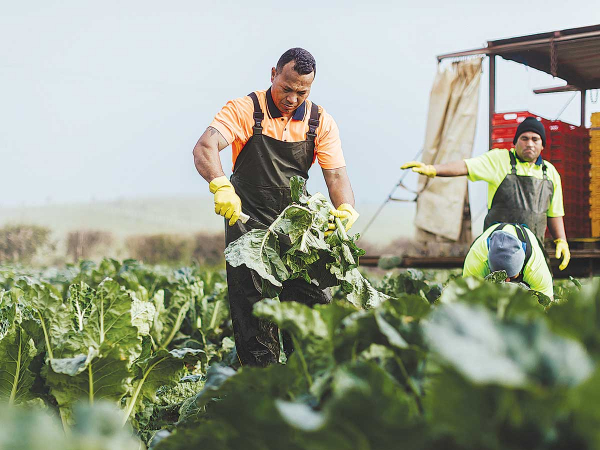
The National Policy Statement for Highly Productive Land will provide protection for New Zealand’s best land and soil so it can be used to produce food, says HortNZ.
The statement (NPS-HPL) was announced yesterday in a move the Government says will enhance production for the country’s most productive land, providing security for New Zealand’s domestic food supply and primary exports.
“The National Policy Statement will greatly improve how we protect highly-productive land from inappropriate subdivision, use and development,” said Environment Minister David Parker.
“We need to house our people and to feed them too. Our cities and towns need to grow but not at the expense of the land that’s best suited to grow our food.”
“The NPS-HPL will help protect our best growing areas so Kiwis continue to have access to leafy greens and other healthy foods.
“Councils will be required to identify, map and manage highly productive land to ensure it’s available for growing vegetables, fruit and other primary production, now and into the future.”
HortNZ chief executive Nadine Tunley says the Covid pandemic showed that New Zealand wouldn’t always have NZ-grown vegetables and fruit on retailers’ shelves.
“HortNZ has advocated for nearly a decade for government policy that recognizes the importance of our best soils, and ensures that they are prioritized for what they are best for – producing healthy vegetables and fruit,” she says.
“All along, we have said that with good planning, New Zealand can have fresh vegetables and fruit, and houses.”
Tunley says HortNZ will continue its advocacy to ensure that growers can sustainably and profitably use highly productive land.
“Our fight will go on. It’s no use protecting our best land if growers cannot get access to inputs like freshwater, are bogged down with compliance, and can’t afford fertilizer or to transport their produce.
“At the same time, growers need to know they have a skillful and reliable workforce to plant, pick and pack. We also need to ensure that growers can afford to invest in new growing methods, in response to climate change.
“Growers only need ongoing issues in one of these areas for their viability to be compromised, which could mean vegetables and fruit cannot be sustainably grown in New Zealand in the future.”