Precision N application test costs 'outweigh returns'
Precision application of nitrogen can improve yields, but the costs of testing currently outweigh improved returns, according to new research from Plant and Food Research, MPI and Ravensdown.
 increase font size
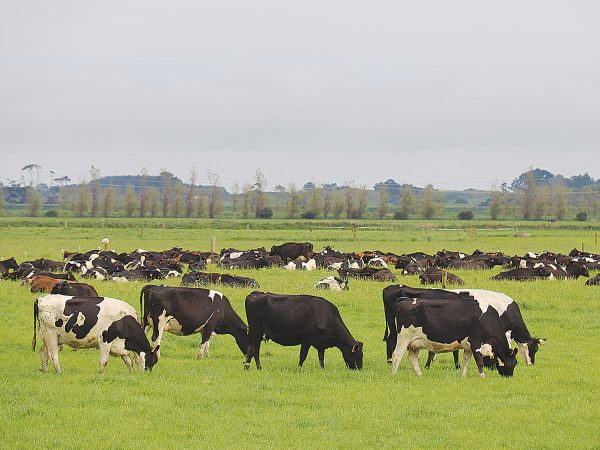 The High Integrity Grass-fed Herds (HIGH) project identifies positive outcomes for pasturebased dairy farms by reducing synthetic nitrogen fertiliser use and improving milk production efficiency from low-cost grazed pasture systems.
Australian dairy farmers are backing a new five-year research project looking into reducing the reliance on nitrogen fertilisers used in pasture production.
The High Intensity Grass-fed Herds (HIGH) project identifies positive outcomes for pasture-based dairy farms by reducing synthetic nitrogen fertiliser use and improving milk production efficiency from low-cost grazed pasture systems.
Other elements of the project are focused on adding economic value for non-replacement dairy cows, as well as the enhancement and development of people and skills.
The project has seen the construction of a purpose-built dairy at the Tasmanian Institute of Agriculture's Dairy Research Facility at Elliott in north west Tasmania and the establishment of four new farmlets (or mini farms), to research strategies for reducing reliance on synthetic fertiliser and its impacts under real farm conditions.
Precision application of nitrogen can improve yields, but the costs of testing currently outweigh improved returns, according to new research from Plant and Food Research, MPI and Ravensdown.
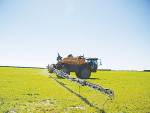
A New Zealand developed and manufactured nitrogen efficiency booster is growing in popularity in China where it is used to improve potato crop production.
Di-ammonium phosphate is frequently added to grape juice at the start of fermentation to ensure yeast have adequate nitrogen to complete fermentation.
Nitrogen is an essential nutrient for plant growth, and nitrogen fertiliser has long been critical to maintaining the high productivity of grazed pasture systems in New Zealand.
Paul Hunter farms 240ha of well-drained Mairoa ash soils at Mulroy Farm, situated south of Te Awamutu in the Waikato.



Now in its fourth year, the 2026 Fencing Industry Awards, formed part of the proceedings of the FCANZ Conference, held in Nelson during August.
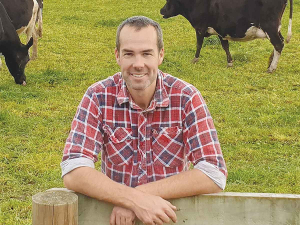
DairyNZ deputy chair Cameron Henderson has been re-appointed unopposed for another term.
OPINION: The stats speak for themselves.
Farms across the upper North Island are trialling different pasture mixes as part of a research programme that aims to build greater resilience into farming systems.
Election years are always a concerning time for farmers, according to DairyNZ chair Tracy Brown.
The Ballance Farm Environment Awards are coming to the West Coast of the South Island.