Free Flu and Covid-19 boosters available
District Health Boards across New Zealand are kicking off a push to encourage people to get their flu jabs ahead of what is expected to be a tough winter.
 increase font size
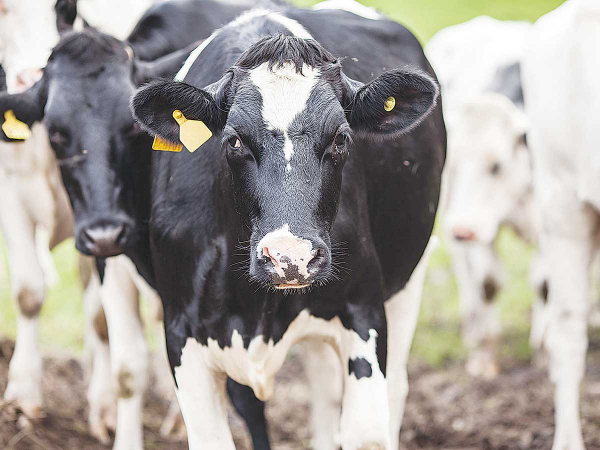 Up to 20% of livestock are lost to disease each year.
OPINION: As we struggle to fathom how we ended up in the throes of the Covid-19 pandemic, we're reminded of the importance of vaccinations to protect us from life-threatening diseases.
The same applies to animals - to preserve their health and wellbeing as well as ours - due to the spread of disease between animals and humans.
The World Health Organization (WHO) estimates that 60% of infectious diseases in humans are zoonotic, meaning that they can pass from animals to people and vice versa.Three out of four zoonotic diseases originate in wildlife. As well as affecting human and animal health, animal diseases are detrimental to livestock, wildlife and agriculture. They also result in revenue and trade losses.
Up to 20% of livestock are lost to disease each year. Preventing disease through vaccination, nutrition, biosecurity, and good husbandry, increases the availability of safe food and waste on the farm. Rapid diagnosis and treatment are essential because disease can't always be avoided. For bacterial diseases, the only current solution is antibiotic treatment. The global animal health sector invests approcimately $1.8-2.7 billion per year in new R&D for better prevention, diagnosis and treatment.
Vaccinating animals protects them from life-threatening diseases such as distemper, hepatitis, parvovirus and leptospirosis, which affect New Zealand animals.
Leptospirosis is a zoonotic disease shared between rats, dogs, pigs, cattle and people. According to ACC, New Zealand has one of the highest rates of leptospirosis in the world. It puts farmers, particularly dairy farmers, at risk as it can spread from infected urine in dairy sheds. It is also an occupational risk for meat workers, who can contract the disease in the same way. According to the New Zealand Veterinary Association, anyone in contact with cattle could be at risk.
Many killer diseases have been kept in check by responsible animal owners maintaining vaccination programmes. Rabies, for example, is a completely preventable virus that is fatal if left untreated. It kills more than 59,000 people each year, mostly children in Asia and Africa. If this isn't tragic enough, the impact of the virus is estimated to cost in excess of US$6,000 million, according to the WHO.
Many animals dies of rabies. Its transmission to livestock reduces food productivity. Bovine rabies causes one million cattle deaths in Central and South America every year.
Rabies is prevented by vaccinating dogs. Through research and pilot programmes, the World Society for the Protection of Animals found that vaccinating at least 70 percent of a community's dogs creates 'herd immunity'. This occurs when a significant proportion of the population (or herd) is immunised, providing a level of protection to unprotected individuals.
The World Health Organization, World Organisation for Animal Health, UN Food and Agriculture Organisation and the Global Alliance for Rabies Control have committed to ending dog-mediated rabies in people by 2030. The spread of disease between humans and animals remains a constant threat. With a growing global population, the risk of zoonotic diseases spreading will only increase as humans and animals live in increasingly closer proximity. This coincides with an increasing demand for food when resources for agriculture are increasingly under pressure.
Vaccination vastly improves the health of both people and animals and is vital for continuing to meet the health challenges of growing populations.
Mark Ross is chief executive of AgCarm.
District Health Boards across New Zealand are kicking off a push to encourage people to get their flu jabs ahead of what is expected to be a tough winter.

The dairy industry is facing the prospect of losing some highly skilled staff because they are not fully vaccinated.
Get vaccinated - that's the message from the National Secretary of the Meat Workers Union to his members.
Mandatory vaccination against Covid-19 for meat sector workers is still up in the air.
OPINION: Rural NZ is again getting the rough end of the stick when it comes to services - this time in relation to Covid-19 vaccinations.


OPINION: The time has come for the Government to back the organic sector.
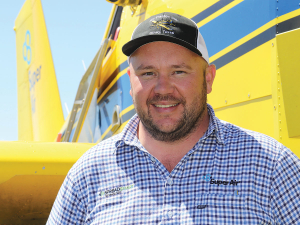
Plan ahead and be patient. That’s the message to farmers and horticulturalists from the chairman of the NZ Agricultural Aviation Association, Kent Weir.
The industry is crying out for graduates with agricultural related degrees.
While GPS and guidance have become the norm and yield mapping and variable application continues to gain traction, most agricultural machinery manufacturers continue to expand their technology offerings, amalgamating the vast amounts of data being collected to streamline real-time and ongoing management decisions.
Supply chain problems, growing protectionism and a move to greater food security are some of the key challenges facing New Zealand exporters, according to our top trade negotiator, Vangelis Vitalis.
A spat within the ranks of the New Zealand Deer Farmers Association has resulted in the suspension of outspoken North Canterbury farmer Barry Cuttance.