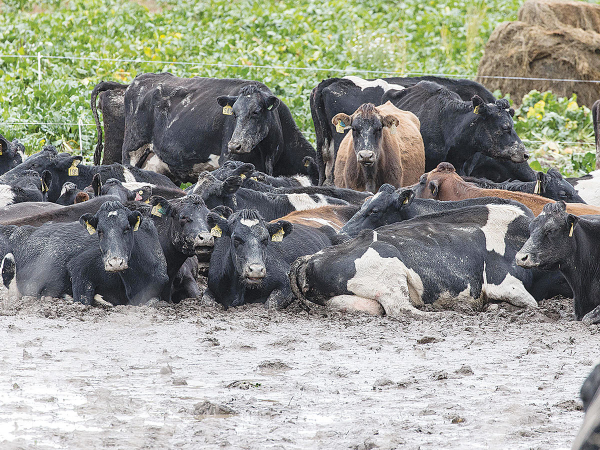
OPINION: This winter Southland farmers should not fear drones flying over their farms, looking for cows in knee-deep mud.
Activists should not bother lurking around farms with their cameras, because Federated Farmers and allied groups have an action plan in place to head off any issues with winter grazing.
Winter grazing techniques were put under the spotlight last year after a nationwide anti-grazing campaign highlighted some Southland cows standing in mud, prompting Agricultural Minister Damien O’Connor to set up a taskforce in response.
The taskforce was succeeded by an action group in early 2020 to take forward recommendations ahead of winter.
The Winter Grazing Action Group’s verdict is that farmers are taking steps to improve wintering systems despite the challenges of COVID-19 restrictions and weather events.
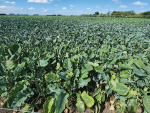
The advice for farmers is simple: ensure you follow a gradual transition plan when moving your animals from pasture to crop and back again to help prevent issues – particularly important for cattle wintered on fodder beet.
The focus this winter should be on providing the right feed at the right time, as well as shelter and easy access to drinking water. Doing this should have the flow-on effect of limiting stock movement and reducing damage to crop and soil.
A photograph taken of stock in a muddy paddock seldom tells the full story about what the farmer has in place to protect waterways from run-off and ensure good animal welfare.
Nevertheless, these selective photographs can generate negative publicity.
Federated Farmers says it wants to make sure any concerns are proactively addressed and that any farmer needing advice or support gets it early.
Intervention groups have been set up around Southland. If someone raises a concern about winter grazing, a group comprising representatives from Federated Farmers, DairyNZ and Beef+Lamb NZ will discuss the situation and ask the most appropriate person to contact the farmer, talk through the issues and, where necessary, identify strategies to mitigate problems.
If the farmer is not willing to accept industry support or take action, environmental concerns will be passed on to the local regional council, and animal welfare concerns to the Ministry for Primary Industries.
Complaints will be taken seriously. If anyone is concerned about winter crop grazing practices anywhere in the country, an online form is available on the Federated Farmers website.
With many farmers in the region already under significant pressure from poor growth conditions, flood impact and imposed overstocking due to the processing constraints of COVID-19, the last thing they need worry about is unidentified drones flying over their properties taking photos.