Over regulated and under stress
OPINION: The consultation period for the Government’s emissions pricing plan for agriculture is closing as I write this.
 increase font size
 National agriculture spokesperson Barbara Kuriger claims the Government's ignorance is making everything so expensive and difficult.
OPINION: At a time when farmers should be celebrating higher red meat and dairy prices, they like other New Zealanders are feeling the pinch.
Already facing seasonal challenges, with either too much or no rain, the cost of doing business grows daily under Labour's watch.
Results from the latest Federated Farmers survey show farmer confidence is the lowest it's been since the twice yearly surveys began in 2009.
More than half of the 1,000 surveyed in January - before the Omicron surge and Russia's invasion of Ukraine - expected economic conditions to worsen in the next 12 months.
They also believed their spending would increase because of it and their profitability decline.
So far, they're not wrong.
Even with stronger returns, revenue is quickly going back out the door to cover rocketing fuel costs, up 44%, fertiliser up 28%, stock feed and grazing more than 6%, seeds up 6%, as well as labour costs due to the nationwide overseas worker shortage.
The last one, a problem which could have been relieved by relaxing immigration rules, two years ago.
Meanwhile, New Zealand's 30-year high inflation rate of 5.9% is set to keep climbing.
Our current cost of living crisis will mean a $150 per week per household increase this year and that is having a colossal impact on both rural and urban families.
Life is hard for many people making tough decisions about where and how far every dollar they earn will go.
And as the Government's coffers swell with the ill-gotten gains of inflation, Labour is failing to provide any tax relief.
Agriculture is New Zealand's biggest income earner.
If it is under strain, the ripple effects will be felt by all New Zealanders.
The massive rise in fuel costs, especially diesel, is just one example.
All supplier costs, deliveries and services coming on to farms have risen rapidly.
So too has the cost of transportation from rural regions. From export goods to food products in retail outlets, the cost of fuel is reflected in their price.
In recent weeks I've already said the Government's ignorance is making everything so expensive and difficult.
In the four and half years they have been in power they have learnt nothing about the country they run.
That shows in Labour's Clean Car package - the Ute Tax - which has just become operative.
Buying a new Toyota Hilux will now cost an extra $5,175.
Once again, Kiwis - especially big users like farmers, growers, tradies, construction and forestry - will be paying for an ideological policy that 'rob Peter to pay Paul' in an attempt to have us all in electric vehicles.
Yet electric utes in numbers to meet this country's demands do not exist and won't for some years.
As one farmer puts it: "We're on a knife edge really. While we have increased returns, there is huge apprehension at what will be coming at us next, in the way of increased costs and compliance."
As a member of the Opposition, I can relate.
Barbara Kuriger is National spokesman on agriculture.
OPINION: The consultation period for the Government’s emissions pricing plan for agriculture is closing as I write this.

National’s agriculture, biosecurity and food safety spokesperson Barbara Kuriger has resigned from her portfolios.
National claims that the Government is about to pile up to $100 million of "unnecessary" compliance costs onto farmers because its freshwater regulations are more than a year overdue. National's Agriculture spokesperson Barbara Kuriger had this to say.
National’s agriculture spokespeople Barbara Kuriger and Joseph Mooney have added their voices to the chorus of people asking the Government to delay winter grazing regulations.
OPINION: Like many of you, I’m so over the uninformed knockers of primary industries.


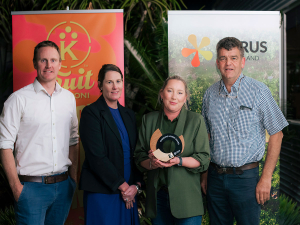
New Zealand's citrus growers were challenged to build their future on the value embedded in their fruit rather than the volume they produce, at Citrus New Zealand's annual gathering in Gisborne on 17 September.

Leading John Deere technicians and apprentices from New Zealand and Australians were recognised at the recent sixth annual JD Technician of the Year Awards, held in Brisbane.
In Dacre, near Invercargill in New Zealand’s South Island, Bruce Dinnington is running a dairy operation unlike any other.
A free online platform aggregating governance vacancies across rural and regional New Zealand has been launched.
Environment Minister Nicola Grigg has announced details of a new rural plastics recycling scheme.
Agricultural drone operators say that a government decision to allow lower-risk drone work without certification won’t lower standards but drive innovation and efficiency.