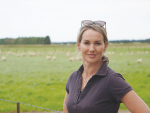
New minister's hort focus
The new Minister of Horticulture, Nicola Grigg, says the reason that she came into Parliament was because of her interest in and commitment to agriculture.
 increase font size
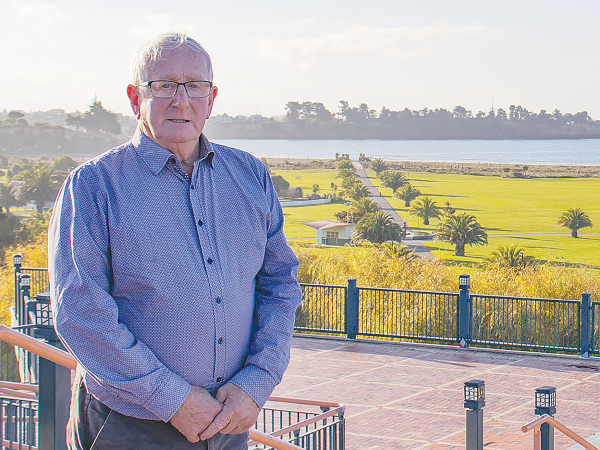 Canterbury Regional Council chair Peter Scott.
OPINION: It will take some time before we get any specific detail about how the policy changes signaled by the new Government will impact us here in Canterbury.
Until we have new legislation in front of us that tells us to go in a different direction, Canterbury Regional Council (Environment Canterbury) must press ahead with business as usual for environmental regulation, public transport, and all our other core services.
But rest assured I'm not standing by and waiting. We are the largest regional council in the country, and I am committed to ensuring that Canterbury is front of mind for the Government when decisions are being made around the Cabinet table.
Over the past week I have been in touch with our new Ministers to highlight the opportunities that Canterbury offers them. With our expertise, we can help ensure their priorities for the environment, transport, infrastructure, regional development, and biosecurity achieve our aspirations for the region.
I've also explained to Ministers that, although we're well positioned to respond to any changes that might come our way during their tenure, our community and ratepayers have to foot the bill every time government changes policy. This ultimately results in extra work for us to deliver with no additional funding, meaning we have to cover those costs ourselves.
Frankly, I'm tired of fronting community meetings where I must ask you, my fellow ratepayerts, to pick up the tab for government decisions when we're all already contributing to Treasury's tax take.
But it seems like this comes with the job of being a regional government Chair. Like other councils across the country, we're feeling the pinch of rising costs driven by inflation, and are facing challenging times in delivering our growing legal obligations and your ambitions for the region.
To meet the demands plaed on us from government mandates, growing community expectations and the impacts of climate change, we'll reluctantly be proposing a significant rate rise as part of our long-term budget planning process.
This isn't something that we take lightly and neither I nor my fellow Councillors are completely comfortable in having to do this. However, with the regulations we're currently operating under, and the information we have in front of us, we're left with little choice.
How much money we'll need, and what services we should deliver, can only be determined with the community. We will be asking you to help us answer these questions as part of a formal consultation process early next year.
Finding answers to these challenges will be difficult. I know there will be different views within the community and in our Chamber about the best approach. The important thing is that everyone takes time to get involved in the conversation to make sure they're heard - much like what I am hoping to achieve with the Government.
Peter Scott is chair of Canterbury Regional Council (Environment Canterbury).
The new Minister of Horticulture, Nicola Grigg, says the reason that she came into Parliament was because of her interest in and commitment to agriculture.
New Northland MP Grant McCallum is calling for cross Parliament consensus on long-term issues like water quality.
Former Labour agriculture and trade minister Damien O'Connor hopes the new coalition Governent will continue the direction of travel initiated by his government in terms of ensuring the high reputation of our primary exports.
Former agriculture minister and speaker of Parliament Sir David Carter says the new National-led coalition faces significantly more important issues to deal with than previous governments.
The new chair of Parliament’s primary production select committee, Mark Cameron, is promising “better law making” for the sector.



Federated Farmers has welcomed new rural policies released by ACT, saying they align closely with its own election priorities.

Rural Contractors NZ says proposed changes to land transport rules for agricultural vehicles are a welcome response by the Government to out of date regulations which have seen members hit with huge fines.
Alliance is calling for final applications for its 2027 Graduate Programme, with applications closing on Sunday 25 October.
Decades piloting planes has ensured vet and farmer David Hayes is focused on safety. So, after a serious accident while welding on farm, he is sharing his experience so others can learn from it.
Canterbury milk processor, Synlait Milk has confirmed Leon Fung as its chief executive officer.
OPINION: Making it easier to collect rainwater and use it to grow crops and livestock is a no brainer.




