X marks the spot
While many car manufacturers set out to cater for all sectors of the market, it’s fair to say that Subaru has “stuck to its knitting”.
 increase font size
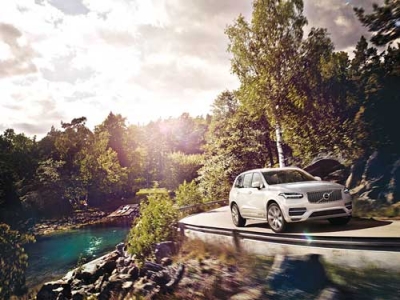 Volvo SUV.
Acronyms Abound: it’s no surprise that sales of SUV’s have risen PDQ in NZ.
SUV sales growth has averaged 27% per annum for five years, and industry pundits predict they will account for half of all passenger vehicles by 2018.
Current 2015 figures are just on 47%; in 2104 sales of SUV’s hit 37,000 (total of 53,000 passenger vehicles).
Steve Kenchington, general manager of Volvo noted “in 2014 industry sales for passenger vehicles were up 9% to 90,152, but SUV’s showed a gain closer to 30%”. Their popularity rose with improved fuel efficiency, better safety features and their panoramic driving position.
“Ten years ago only a handful of such vehicles were available in NZ, but… now we see over 60 different small, medium and large choices available.” Volvo NZ has seen sales rise at least 130% per annum.
While many car manufacturers set out to cater for all sectors of the market, it’s fair to say that Subaru has “stuck to its knitting”.

Just why is the Suzuki Vitara so popular in New Zealand? Mark Daniel found out as he test drove the new 2019 2WD turbo.
With the compact SUV sector making up 20% of the total SUV market, it’s not surprising to see Toyota launching a new model to claim its share.
The new kid on the SUV block will have auto sales and marketing managers burning the midnight oil and scratching their heads as they wonder how to deal with this – the Skoda Kodiaq.
Now entering its 21st year since the launch in 1995, the Toyota RAV 4 has graced the yards or driveways of 28,500 buyers and retains its dominant stake in the competitive SUV market.

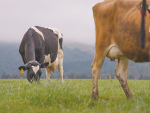

As the cost-of-living crisis continues to put pressure on household grocery budgets, new figures show pork remains one of the most affordable fresh meat options for New Zealand families.

OPINION: In politics, credibility is and should be big. It must surely rank higher than charisma, which is quite trite and superficial. Yet, voters nowadays are often wooed and influenced by how someone looks or talks at a superficial level. TV plays a huge role in this.
Farmers can spend less time on paperwork, thanks to a new data sharing agreement between DairyNZ’s DairyBase and LIC’s MINDA software.
Kaikōura families affected by July's severe storm have found a practical solution to a problem that's kept some children away from regular schooling for weeks: a washed-out section of Inland Kaikōura Road, which has stopped the local school bus from running its usual route.
Rural New Zealand is welcoming the Government’s recent package of rural healthcare initiatives.
Interest in agritech and production animal systems has prompted Massey University's School of Agriculture and the Environment to new majors to its popular animal science degree.