Dairy Effluent Management: Right Amount at the Right Time
Good effluent management on a dairy farm combines a well-designed system with proper processes to ensure the right amount of effluent gets applied to pasture at the right time.
 increase font size
 Twin spools of delivery pipes.
Toplink Machinery exhibited at National Fieldays the Tramspread contractor unit, a self-contained system that enables one-man operation and the ability to arrive on farm, set up quickly and spread effluent, then pack up and move to the next job.
Built around a tandem-axle box section trailer, the unit comprises a 900L priming/holding tank initially primed via a vacuum pump driven by a small Honda engine.
The main pumping unit, a Bauer SX2000, has 150mm inlet and twin 125mm delivery outlets, and offers a typical output of 120-130m3/hour depending on material consistency and terrain. This unit is driven by a reconditioned John Deere engine typically sourced from a combine breaker in the UK.
At the front of the unit cradles carry the twin spool of delivery pipe, each with a capacity of 1000m of 100-125mm pipe or 600m of 150mm. Connection is then onwards to a tractor linkage mounted dribble bar assembly in the paddock.
For one man operation an optional remote-control system for the pumping station is offered.
Once the field work is completed, a 170m3 compressor system takes care of blowing out the lines, before the move to the next job.
Spread far and wide
Good effluent management on a dairy farm combines a well-designed system with proper processes to ensure the right amount of effluent gets applied to pasture at the right time.
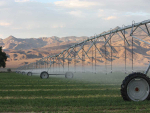
For years, IrrigationNZ has called for a coordinated national approach to water security, backed by enabling regulation, strategic infrastructure investment and sound technical practice. As the 2026 general election approaches, many of these priorities are now reflected in political commitments and legislative reforms. That represents significant progress, but the real measure of success will be turning policy into practical outcomes, says IrrigationNZ principal technical officer Stephen McNally.
Tararua district farmer Jamie Harris milks around 400 cows using a split calving system on his farm, Crossdale Dairies.
Water management is an integral component of sustainable farming practices, according to Watermetrics.
Two farmers and two farming companies were recently convicted and fined a total of $108,000 for environmental offending.



Dunedin-based company MastaPlex, which provides on-farm mastitis diagnostic platform globally, has named a new independent director.

An independent importer says National’s fertiliser security policy will only work if protects all players.
Nesting birds are behind around $1.2 million worth of tractor fire claims every year, according to rural insurer FMG, which is urging farmers to check under the bonnet before starting work.
Having Ravensdown as the naming rights sponsor of the Canterbury A&P Show demonstrates their confidence in the show as a long-term venture, says Canterbury Agricultural and Pastoral Association (CAPA) board chair Sir David Carter.
OPINION: As election day looms, rural NZ seems to have pressed the pause button – held somewhat in limbo on an orange light.
Will drones be the answer to tackling the problem of wasp and hornet nests high up in trees and other inaccessible places?