LIC: Faster Bull Team Change Reflects Genetic Progress
In the past, a bull could sit comfortably in a breeding team for several years with little change, but today, that’s no longer the case.
 increase font size
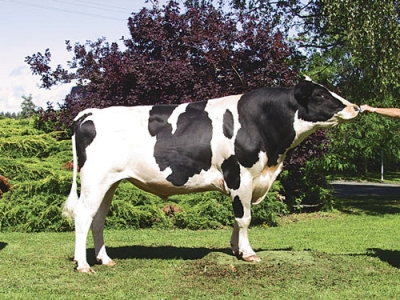 Pierre Bull
Go online to see the impact of genetic improvement on farm profit and team averages, says NZ Animal Evaluation Ltd (NZAEL), a wholly-owned subsidiary of DairyNZ.
This is made possible through a new online bull team builder. Instead of flicking through catalogues to compare bulls; farmers will have all the information now available in one place, says NZAEL manager Dr Jeremy Bryant.
“They will be able to visit the DairyNZ website and select bulls which meet their specific needs without compromising Breeding Worth (BW). Preferred traits might include enhanced BW, productivity, fertility, long-life, calving ease, conformation or temperament,” he says.
Once the most suitable sires have been chosen, farmers will be able to benchmark their teams against the Ranking of Active Sires (RAS) average, to see how their bull team stacks up across a range of traits.
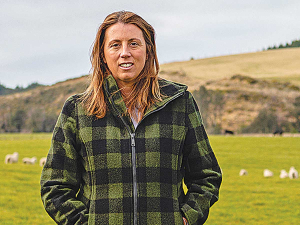
Hauraki Plains farmers Heather and Stewart Fowlie have tested the team builder and appreciate its user-friendliness.
“I really love the programme. It enables me to move bulls in and out easily and see the effect of my decisions on team average breeding values and BW. If I want to strengthen udder traits in the herd, and also want to select say three bulls from the top five indexed bulls, it certainly is a quick way of choosing those traits without compromising overall team BW. It’s very easy to navigate and I think we will use it a lot,” says Heather.
Bryant says the team builder was developed to give farmers power at their fingertips.
In the past, a bull could sit comfortably in a breeding team for several years with little change, but today, that’s no longer the case.

DairyNZ subsidiary New Zealand Animal Evaluation (NZAEL) will update the genetic base used to calculate Breeding Worth (BW) next month.
New Zealand's genetics landscape will continue to evolve, says outgoing New Zealand Animal Evaluation Ltd (NZAEL) chair Mark Townshend.
A working group, made up of agribusiness leaders, has been set up to help New Zealand remain internationally competitive in genetic gain.
OPINION: Kiwi dairy farmers continuously strive to be world-leaders in pasture-based production, emissions efficiency and animal care. Our sector's success in global trade relies on these factors.


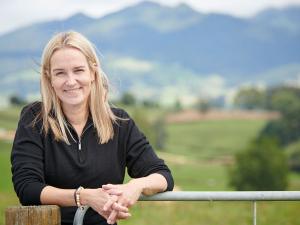
Minister of Conservation Hon Tama Potaka has appointed Susan O'Regan as Chair of the Queen Elizabeth II National Trust (QEII) for a three-year term.
Red meat farmers are welcoming Labour’s plan to review the Emissions Trading Scheme and not to campaign on pricing agricultural emissions.
Where any worker in the kiwifruit industry is mistreated, we expect the authorities to take action.
Mid Canterbury Federated Farmers arable chair, Bevan Lill, said Beef + Lamb NZ data indicated that for the last six years, the average arable return on investment was about 0.8% while inflation ran about 4% - so the average arable farm was going backwards at about 3% a year.
Seed and grain companies share the concerns of arable farmers about the viability of their sector, says Seed and Grain New Zealand chief executive Dr Sarah Clark.
The New Zealand Institute of Forestry (NZIF) says unnecessary changes to New Zealand’s Emissions Trading Scheme (NZ ETS) will seriously erode investor confidence and result in significant reductions in forest planting rates.