Fonterra Names Four Independently Assessed Director Candidates
Fonterra Co-operative Group has confirmed the independently assessed candidates standing for election to its board in 2026.
 increase font size
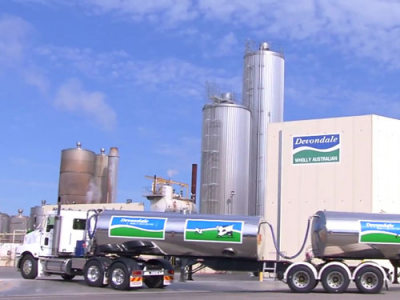 Bidders are lining up for beleaguered Australian dairy co-op Murray Goulburn.
Bidders are lining up for beleaguered Australian dairy co-op Murray Goulburn.
Fonterra has been named by Australian media as one of the bidders; others include A2 Milk and several Chinese dairy players.
The co-op, Australia’s largest processor of milk, is in strife following the sharp drop in dairy prices over the past two years; the co-op was forced to claw back milk payout from farmers, triggering an exodus of suppliers.
Recently it announced an after-tax loss for 2016-17 of A$370 million.
MG has told farmer shareholders that all options are on the table as part of a strategic review underway.
“There is no pre-determined outcome to the strategic review and all options are on the table,’ it says.
MG says since announcing the review, MG and its financial advisor have received a range of proposals from third parties. “It is the duty of MG’s directors to consider whether any bona fide propositions tabled are in the best interest of MG’s shareholders.
“The board has asked our advisor to now review any formal proposals received to determine how they might add value to MG’s suppliers, shareholders, and unitholders.”
MG says any potential bidder’s ability to pay higher farmgate prices, access capital for future developments and views on its co-op principles will be crucial for its shareholders.
Fonterra has been approached for comment.
Fonterra Co-operative Group has confirmed the independently assessed candidates standing for election to its board in 2026.

Fonterra has revised its Farmgate Milk Price forecast for the 2026/27 season, lifting the midpoint and narrowing the range on the back of improving global dairy commodity prices.
Outgoing Fonterra Co-operative Council chair John Stevenson says that it has been a privilege to represent the co-op's farmer shareholders.
OPINION: It seems Canterbury processor Synlait is still in the doldrums.
OPINION: Get offside with New Zealand First leader Winston Peters at your own peril.


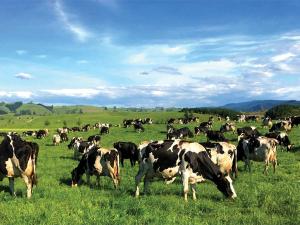
The first major update to the Dairy Cattle Code of Welfare in more than a decade has been released, marking what DairyNZ describes as an important step in ensuring animal welfare standards continue to evolve alongside scientific evidence and on-farm realities.

Ravensdown shareholders have elected Jane Montgomery and Kate Acland to the Ravensdown Board for three-year terms, following a closely contested director election.
Federated Farmers says new legislation replacing the Resource Management Act will cut red tape, unlock investment and help grow New Zealand's export-led economy, after the Planning Bill and Natural Environment Bill passed their third reading in Parliament yesterday.
Leading figures from the major political parties will be questioned on their primary sector policies at the Rural Issues Debate at Mystery Creek Events Centre, Hamilton, on 30 September.
OPINION: Have a plan in place now!
Beef + Lamb New Zealand (B+LNZ) says it welcomes the passage of the Natural Environment Bill and Planning Bill, calling the bills a positive step for sheep and beef farmers.