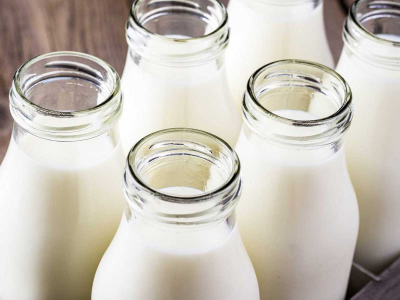
Unregistered raw milk suppliers around the country have been banned from selling their product.
The Ministry for Primary Industries (MPI) says it has directed unregistered raw (unpasteurised) drinking milk suppliers across the country to stop selling their product until they comply with the legal requirements for sale.
MPI Compliance staff yesterday executed search warrants at non-compliant raw drinking milk suppliers in Auckland, Hawkes Bay, Manawatu, Horowhenua, Nelson and Southland following a year-long operation.
MPI’s manager of food compliance Melinda Sando says the purpose of the coordinated site visits was to gather evidence of the offending and to allow further investigation of non-compliant sales.
“We believe that the suppliers we visited today are operating outside of the regulatory framework. By not adhering to the rules for selling raw drinking milk, they are putting consumer health at risk.
“There have been multiple instances in the past of people getting sick after drinking raw milk from some of these suppliers. We can’t let this continue.
“Raw unpasteurised milk is a risky product as it hasn’t been heat treated (pasteurised) to remove illness causing bacteriaincluding E. coli, listeria and campylobacter.
“These types of bacteria most commonly cause severe diarrhoea and vomiting, but occasionally some have been linked with more serious complications that include miscarriage, paralysis, meningitis and serious kidney problems in children. Raw milk may also be a source of tuberculosis (Tb).”