DairyNZ's Tracy Brown Flags El Nino Risk for Dairy Farms
Most dairy regions around the country have had a pretty good season so far says Tracy Brown.
 increase font size
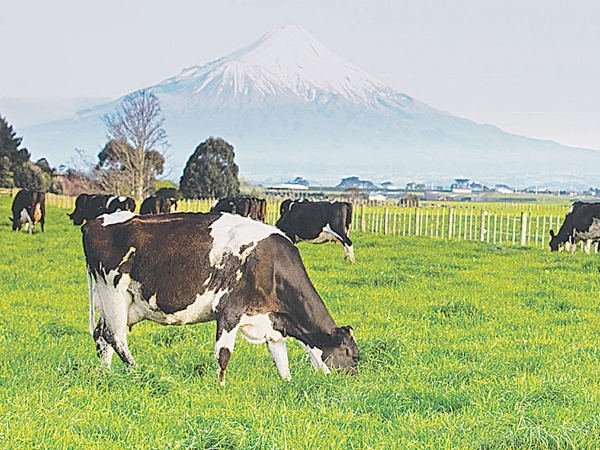 Taranaki farmers says slow pasture growth and bad weather have hampered milk production.
It's been a very challenging season for Taranaki dairy farmers, according to local DairyNZ consulting officer, Ashley Primrose.
She says farmers are describing the season as one where they are just keeping their heads above water.
She says it's been quite hard for them in terms of the unusually slow pasture grass growth which has seen some farmers taking up to a month later than normal to reach balance date.
Primrose says this was not the best way to start the season.
"As a result of the inconsistent pasture growth, not as much supplement - especially silage - was made as might have been expected," she told Dairy News.
"We have had periods of dry, which is pretty uncharacteristic for Taranaki, and then we had some massive rainfall events. The heavy downpour at Waitangi weekend was followed by another big rainfall event the following weekend with a result there was quite a bit of damage to farms around the coast," she says.
Primrose says what was unusual was that the whole of the province was affected by the weather events. She says, for example, Midhurst, which is known for its rainfall, suffered an unusually dry spell in January.
"The summer was odd," she says.
The heavy rain did a lot of damage around rivers with some riparian plantings washed away and bridges and culverts damaged. Primrose says some crops that were planted in February were damaged and some maize crops were affected by wind.
Covers around the province are a bit of a mixed bag, she says. She notes that some farmers started feeding out supplements that had been earmarked for winter use.
"This is a bit of a worry but people seem to have recognised this and have been buying in extra feed to make up that which they have used. Hopefully everyone has recognised the need to have sufficient supplements to last them through winter and have done something about this," she says.
Primrose says there has been quite a lot of chat about the price of supplements for next season - especially the likes of PKE.
 |
|---|
|
DairyNZ consulting officer Ashley Primrose. |
Despite the challenges around pasture growth, it appears that like most farmers around the country, few Taranaki farmers have dried off their herds and are milking on. This maybe because of the wait to get cull cows into the works. Primrose says the waiting time has been as long as six weeks.
"Some have managed to get stock away and DairyNZ has been encouraging people to make sure they had stock booked in ahead of time. But people have definitely had to hold onto stock longer than they would have liked," she says.
DairyNZ has also been encouraging farmers to get their cows condition scored and it would appear that across the board the scores are somewhere between four and four point five.
"Our key message to farmers is to make sure they have got feed for winter and into early spring before the grass starts to grow again and just keeping their cows in good condition," she says.
Most dairy regions around the country have had a pretty good season so far says Tracy Brown.

OPINION: It appears to be difficult for people who haven’t tried to run a business to understand the difference between assets and cash.
Farmers can spend less time on paperwork, thanks to a new data sharing agreement between DairyNZ’s DairyBase and LIC’s MINDA software.
OPINION: In the 1980s, concern was expressed in West Germany about the falling birth rate. Some simple analysis was performed by Professor Helmut Sies, physician and biochemist at Dusseldorf University. His letter ‘A new parameter for sex education’ was published in Nature in 1988:
OPINION: Dairy farmers know better than anyone that change is constant.

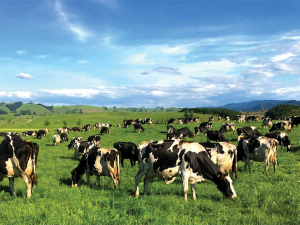
Most dairy regions around the country have had a pretty good season so far says Tracy Brown.
Rural leader Mark Hooper has been appointed as an independent director to the NZPork board, bringing extensive farming, governance and advocacy experience to the role.
Opportunity says its land value tax (LVT) is unlikely to force farmers into a position where asset sales or increased debt are required.
Milk powder prices are keeping farmgate prices up, helping processors offset the dip in milk fat prices.
Climate, nature and animal wellbeing make up Fonterra's refreshed sustainability roadmap released last week.
The Government is introducing a new nationwide rural recycling scheme that will significantly increase the recovery of farm plastics from March next year, Minister for the Environment Nicola Grigg announced today.