DairyBase and MINDA Link Up to Cut Farmer Paperwork
Farmers can spend less time on paperwork, thanks to a new data sharing agreement between DairyNZ’s DairyBase and LIC’s MINDA software.
 increase font size

SOME OF THE country's top bulls were reunited with their breeders last week, at a special event to celebrate their contribution to New Zealand's dairy herd in 2013.
About 120 breeders from all over the country attended LIC's Premier Sires Breeders' Day (April 15) at its Newstead headquarters, after supplying a bull calf to the cooperative which went on to form part of the 2013/2014 team of elite bulls for artificial breeding.
LIC director and Jersey breeder, Murray Jagger, welcomed the distinguished guests and expressed his envy, as many other farmers would, of their achievement and efforts in breeding such elite animals.
"I have strived for many years to breed a bull worthy of selection to Premier Sires so I am extremely envious that you have achieved that benchmark.
"You have the distinction of belonging to a unique group of farmers who breed bulls good enough to bear the Premier Sires title and LIC is immensely proud of our relationship we share with you.
"You can all take pride in knowing that your excellence in farming ability and animal breeding is making an enduring difference and improving the prosperity on the dairy farm, the industry as a whole and to the New Zealand economy.
"There is huge satisfaction in being part of a cooperative which creates value and prosperity not just for today's farmers, but for future generations, and we could not do it without you; today we celebrate that pinnacle of achievement, and you can be very proud that," says Jagger.
Premier Sires bull teams, both daughter proven and genomically selected, sire three out of four dairy cows in New Zealand – contributing around $300 million each year to the economy, or more than $17 billion since LIC began artificial breeding services began in the 1950s.
LIC's general manager of genetics, Peter Gatley says Breeders' Day is a very special day on LIC's calendar, as an event which celebrates a unique group of farmers whose expertise as breeders deserves commendation.
"Premier Sires are responsible for producing the next generation of high genetic merit, high performing dairy animals," says Gatley.
"With the dairy industry accounting for somewhere in the region of 40% of New Zealand's GDP, our Premier Sires breeders make a real difference not only to dairy farmers throughout the country but the country as a whole."
The full-day event also included a tour of LIC's bull barn, a bull parade, presentation of certificates and photos to each breeder and an overview about the co-operative's new strategy from chief executive Wayne McNee.
Farmers can spend less time on paperwork, thanks to a new data sharing agreement between DairyNZ’s DairyBase and LIC’s MINDA software.
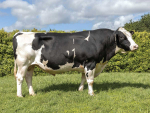
An LIC bull, Tronnoco AR Sadio-ET S3F, bred by Tony and Keri O'Connor of Tronnoco Farming Co Ltd near Timaru, has won the 2026 Mahoe Trophy.
Bovine Viral Diarrhoea (BVD) is estimated to cost New Zealand's dairy and beef industries more than $150 million every year, yet many of the tools needed to control it are already well understood. After more than 25 years in veterinary practice, Andrew Weir, animal health technical specialist at LIC, has seen firsthand the impact BVD can have on herd performance. We asked him about the role of persistently infected (PI) animals and the practical steps farmers can take to reduce their risk.
In the past, a bull could sit comfortably in a breeding team for several years with little change, but today, that’s no longer the case.
Paynes Titus Excelsior ET, an LIC bull bred by Brad Payne and Claire Brodie in the Waikato, has won the JT Thwaites Sire of the Season 2026 Award.

An Auckland gelato shop and an established New Zealand ice cream maker have both been named Supreme Champions at the NZ Ice Cream & Gelato Awards 2026.

As the cost-of-living crisis continues to put pressure on household grocery budgets, new figures show pork remains one of the most affordable fresh meat options for New Zealand families.
OPINION: In politics, credibility is and should be big. It must surely rank higher than charisma, which is quite trite and superficial. Yet, voters nowadays are often wooed and influenced by how someone looks or talks at a superficial level. TV plays a huge role in this.
Farmers can spend less time on paperwork, thanks to a new data sharing agreement between DairyNZ’s DairyBase and LIC’s MINDA software.
Kaikōura families affected by July's severe storm have found a practical solution to a problem that's kept some children away from regular schooling for weeks: a washed-out section of Inland Kaikōura Road, which has stopped the local school bus from running its usual route.
Rural New Zealand is welcoming the Government’s recent package of rural healthcare initiatives.