Ospri Urges Farmers To Prepare NAIT Records Before Moving Day
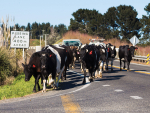
Moving Day (June 1) is just around the corner and farmers who are moving farms with the herd are being urged by Ospri to start preparations now.
 increase font size
 OSPRI chief executive Sam McIvor.
Herds in the West Coast settlement of Hari Hari are TB free after a four-year battle to get on top of the area's last outbreak.
However, to protect herds, further work is needed to ensure possum and other predator numbers are kept low enough to eradicate TB in the area, according to Ospri. In this outbreak, there were a total of 17 herd breakdowns of infection, making up a quarter of the total herds in the farming community. The movement control area includes 41 dairy herds.
"It's a significant step fro the community of Hari Hari, neighbouring areas in the West Coast region and the national TBfree plan," says OSPRI's new chief executive Sam McIvor.
"Getting rid of TB in their herds is a huge achievement that takes a systematic approach and coordinated effort over many years. It takes a team effort, and we work with the community and partner agencies to design and implement a disease control response plan that is tailored for their area."
Over the past 30 years, there have been outbreaks in the farmland of Hari Hari following a 5-10 year cycle. Prior to the 2019 outbreak, there were no infected herds for four years.
As part of the disease control plan, major work carried out included regular herd TB testing and significant amounts of possum control on farmland and surrounding areas of Hari Hari and the Waitaha Valley, using both ground and aerial possum control methods.
"Our surveillance of wildlife in the surrounding native bush shows us that the infection problem may remain in the Upper Whanganui, and that we do need to do another round of aerial treatment there to clean up the remaining infection, whilst also maintaining low possum numbers across the whole are," says McIvor.
"TB is a resilient bug, and we need to keep our foot on the pedal to wipe it out."
Over the coming years, disease control work will continue with regular monitoring and testing of livestock and wildlife for any signs of TB.
TB freedom in Hari Hari cattle brought the total number of TB-infected herds across the country down to 12, the lowest number on record. This compares to 1995 when there were an estimated 1700 TB-infected herds.
"The number of infected herds may bounce around a little bit but importantly, it is trending down overall. Ongoing biosecurity vigilance and ensuring NAIT records are up to date are critical ingredients in continuing out progress," McIvor says.
Moving Day (June 1) is just around the corner and farmers who are moving farms with the herd are being urged by Ospri to start preparations now.

Ospri is reducing TB testing frequencies and movement control measures as the disease risk subsidies in parts of the country.
New Zealand is closer to eradicating bovine TB than ever before, but possums remain a threat, says Beef + Lamb New Zealand.
From 1 October, new livestock movement restrictions will be introduced in parts of Central Otago dealing with infected possums spreading bovine TB to livestock.
As an independent review of the National Pest Management Plan for TB finds the goal of complete eradication by 2055 is still valide, feedback is being sought on how to finish the job.



Dairy processors are ready to further boost New Zealand’s export earnings but want the incoming government to match their ambition with good policy.

Massey University is best placed to solve the “problems” facing the dairy industry, says vice chancellor, Pierre Venter.
Synlait's longest serving employee – a man who joined the Canterbury-based milk processor even before it began processing milk – is now its newest executive.
A dairy industry leader believes eradicating the common and costly disease, Bovine Viral Diarrhoea (BVD) is within reach.
A farmgate milk price of $10/kgMS this season is firming up as milk powder prices soar and the New Zealand dollar weakens.
Federated Farmers has welcomed new rural policies released by ACT, saying they align closely with its own election priorities.