
Federated Farmers Welcomes ACT’s New Farming Policies
Federated Farmers has welcomed new rural policies released by ACT, saying they align closely with its own election priorities.
 increase font size
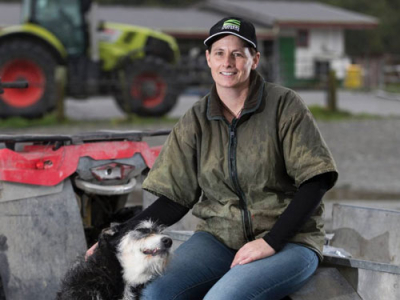 Feds president Katie Milne.
News that farmers are feeling the pressure from banks is unsurprising.
Read: Banks put screws on farmers.
Dairy News reported Feds president Katie Milne saying at National Fieldays this year that the mood was sombre.
Andrew Hoggard recalls that when he visited various Fieldays bank sites it was apparent that a couple of the banks didn’t have much interest in being there. Others had downsized their sites and were not touting hard for new business.
ANZ’s head of agri, Mark Hiddleston, said at that time that the Reserve Bank’s increased capital proposal would either restrict the availability of capital or raise the cost of capital.
Today his view is backed David Tripe, professor of banking at Massey University.
Tripe says the new rules mean that generally the banks are going to be pressured to hold a higher percentage of capital reserves. To do this they will have to either increase their returns on lending substantially or cut back on the amount of lending.
“The lending they will cut back on is the lending that is less profitable, which for most of them is agriculture.
“What has tended to happen in the past is that people have been very enthusiastic about farming without regard to the concerns of doing it. The new Reserve Bank rules will give the banks a new focus on the returns from any new lending.”
Tripe says less money will inevitably be available for the agri sector. Lending to the farming sector is no longer as easy as it was. The effect of this may be lower land prices.
Federated Farmers has welcomed new rural policies released by ACT, saying they align closely with its own election priorities.

Federated Farmers is backing Feilding High School’s call to keep Agriculture and Horticultural Science as a standalone subject in Year 11.
As part of its Election 2026 coverage, Rural News asked political parties how they would help pull the arable sector out of the doldrums. Here's what they said:
National’s pledge to introduce 19 new national standards shows the party is serious about getting Wellington out of farming, Federated Farmers says.
OPINION: Rivers never sit still. They start as snowmelt and rain in the high country, pick up a creek here and a stream there, and carry all of it down to where it's needed.


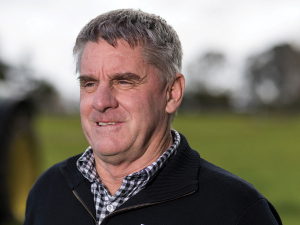
Federated Farmers has welcomed new rural policies released by ACT, saying they align closely with its own election priorities.

Rural Contractors NZ says proposed changes to land transport rules for agricultural vehicles are a welcome response by the Government to out of date regulations which have seen members hit with huge fines.
Alliance is calling for final applications for its 2027 Graduate Programme, with applications closing on Sunday 25 October.
Decades piloting planes has ensured vet and farmer David Hayes is focused on safety. So, after a serious accident while welding on farm, he is sharing his experience so others can learn from it.
Canterbury milk processor, Synlait Milk has confirmed Leon Fung as its chief executive officer.
OPINION: Making it easier to collect rainwater and use it to grow crops and livestock is a no brainer.