Northland kids have been drinking more milk – at school and at home – since the Fonterra Milk for Schools programme started in early 2012, according to an independent evaluation by the University of Auckland.
Fonterra commissioned the report to understand the impacts of its school milk pilot on children's consumption and attitudes to dairy.
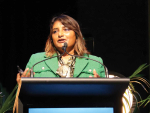
Associate Professor Cliona Ni Mhurchu, who led the evaluation, says the results show a significant increase in children's milk consumption following the adoption of the Fonterra Milk for Schools programme in Northland schools.
"A key highlight of the results is that the rise in consumption has happened both at school and at home – with the evaluation showing a 28% increase in the number of students who reported drinking milk five or more days a week."
In addition, the evaluation showed a clear increase in the number of children drinking milk at least twice a day – with students consuming milk twice or more each day increasing from 66 to 77%.
"The evaluation provides evidence that Fonterra Milk for Schools is helping to increase children's milk consumption not only during school time, but overall as well," says Ni Mhurchu.
Carly Robinson, Fonterra general manager cooperative social responsibility, says the cooperative is encouraged by the findings.
"Our goal with Fonterra Milk for Schools is to make a lasting difference to the health of New Zealand children. New Zealand is the largest exporter of dairy products in the world, but at home, we're not drinking as much milk as we used to. These findings show that this programme can help get Kiwi kids drinking more milk."
A total of 116 Northland primary schools are participating in the Fonterra Milk for Schools pilot – making up 85% of the region's eligible schools.
"Each term we survey the schools and our latest results showed that around 90 per cent of schools that responded were either satisfied or very satisfied with the programme," says Robinson.
"We've been working alongside the schools throughout the year to ensure the programme runs smoothly, and we're taking on board all feedback we've received."
Since the pilot started in March, more than one million packs have been dropped off to local schools.
"The pilot is allowing us to test logistics and the practical aspects of the programme. We're still evaluating results before making a decision on next steps."
The University of Auckland evaluation involved 155 students in three separate schools, covering a range of rural and urban areas, as well as different decile ratings.