
Four Candidates Confirmed for Fonterra Board Election
Four candidates have been confirmed for two director positions on Fonterra’s board.
 increase font size
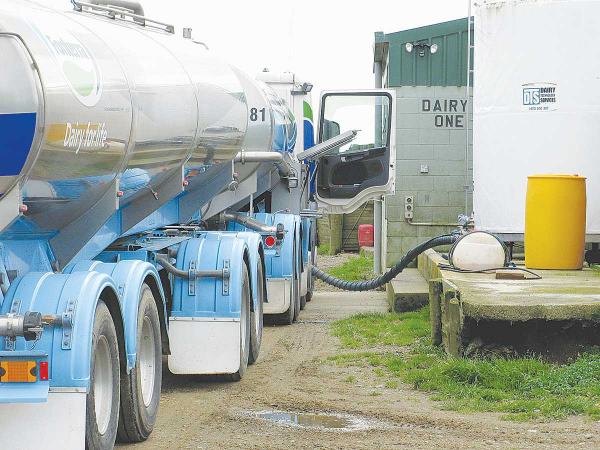 Fonterra says February saw a generally settled end to summer across the country, with cows producing more milk.
Fonterra collected more milk in February thanks to better pasture growth in most parts of the country.
The co-operative collected 136.5 million kgMS, 2.3% higher than the same month last season.
It says February saw a generally settled end to summer across the country, but with some bouts of wet and windy weather.
"Other than the far north of the North Island and Fiordland in the South Island, the whole country was sunnier than average for the time of the year.
"In regions that had rainfall with that warm weather, good pasture growth resulted."
North Island milk collection for the month reached 73.9 million kgMS, 5.9% higher than February last season. Northland experienced well above average rainfall, going some way to alleviating the very dry conditions that region had been experienced throughout summer.
South Island milk collection was 62.6 million kgMS, 1.7% behind February last season.
It says higher than average temperatures with favourable growing conditions across much of the South Island led to better than average conditions.
"While these were down on February last season, South Island collections in February 2020 were among the strongest in recent seasons."
However, in Australia the co-op's milk collection continues to dip.
It collected 7.2 million kgMS, a 5.8% decrease on February last season.
"Lower herd numbers combined with increased consumption of lower quality home-grown fodder instead of supplementary feed are continuing to impact milk production growth across Australia."
Fonterra's season-to-date collections in Australia are down 1.8% on last year.
Four candidates have been confirmed for two director positions on Fonterra’s board.
A record farmgate milk price and strong global demand is laying the foundation for continued growth of organic dairy farming in New Zealand.
Waikato milk processor Tatua has again declared a record milk payout to farmer shareholders, leaving other processors in the dust.
Fonterra has unveiled its annual results for the 2026 financial year, posting $27 billion in revenue and close to $20 billion returned to New Zealand farmer owners and unit holders.
Fonterra Co-operative Group has confirmed the independently assessed candidates standing for election to its board in 2026.


A major move is about to get underway to improve the quality and viability of dairy beef and cattle in NZ.
Veterinarians say changes to the code of welfare for dairy cattle provides a positive foundation for improved cattle welfare across the country.
Today, 15 October, is the International Day of Rural Women, which recognises rural women’s contribution to farming, communities and the environment.
Global dairy giant Lactalis has integrated its Australian operations with the Mainland Dairy consumer business it acquired from Fonterra earlier this year.
After almost two decades of sharemilking, saving and building equity, Aaron and Marcia Flay this year realised their long-held dream of settling on their first dairy farm.
Good medium to long term prospects for NZ beef, especially in the US, has heighted the focus on various initiatives to capitalise on this situation.


