DairyBase and MINDA Link Up to Cut Farmer Paperwork
Farmers can spend less time on paperwork, thanks to a new data sharing agreement between DairyNZ’s DairyBase and LIC’s MINDA software.
 increase font size
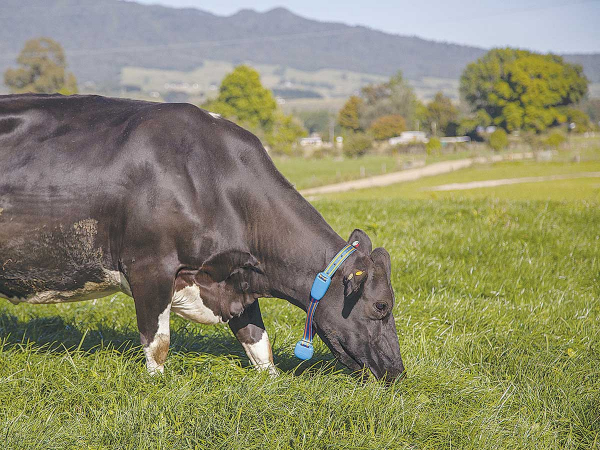 The AfiCollar, worn around the cow's neck, collects data on animal health, wellbeing and fertility.
LIC has formed a distribution partnership with Israeli-based Afimilk to market its hi-tech cow collars in New Zealand.
The AfiCollar, worn around the cow’s neck, collects data on animal health, wellbeing and fertility.
Afimilk is one of the dairy industry’s leading producers of cow behaviour sensors, farm management software and milk meters, and supplies cow collars internationally.
LIC unsuccessfully sought shareholder approval last year to by a 50% stake in Afimilk; the $109million deal failed to receive the required shareholder support to proceed.
LIC chief executive Wayne McNee says, as sector leaders, the parties remained in contact and recently reached a new agreement regarding Afimilk’s cow collar technology.
“We are working to build an integrated, collaborative technology ecosystem that makes it as easy as possible for farmers to adopt new technologies. Farmers need to be able to choose the technology and products that are best suited to them.
“Our role is to ensure that proven technology can integrate with LIC’s existing systems and herd management software into the future.”
McNee says AfiCollars are among the best in the world and well suited to meet the unique challenges of New Zealand’s pastoral dairy environment.
“Our proven work in genomics, reproduction and animal health is enabling farmers to be more efficient and their herds to be more productive each year. Cow behavioural monitoring devices like the AfiCollar will deliver complementary on farm benefits such as more accurate heat detection and animal health and welfare monitoring.”
AfiCollars will integrate with Protrack, LIC’s farm automation technology, which will allow for increased efficiency and faster, more informed decision-making on farm.
There is already strong demand for cow wearable technology by farmers, and for it to integrate with LIC’s farm automation systems.
“The ‘connected cow,’ wearing this technology, will shape the future of the dairy industry and help New Zealand maintain its world leading edge in precision farming,” says McNee.
“LIC is looking to work with other leading New Zealand and international technology providers to continue to offer the very best options for our farmers wanting to utilise new technologies coming to market.”
Afimilk chief executive Yuval Rachmilevitz says he is excited to be cementing a new agreement with LIC for the distribution of AfiCollars.
“We share a combined commitment to enabling farmers to continually improve on-farm productivity through new technology and it is exciting to be further enabling this in New Zealand.”
Farmers can spend less time on paperwork, thanks to a new data sharing agreement between DairyNZ’s DairyBase and LIC’s MINDA software.
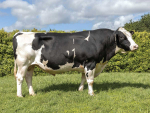
An LIC bull, Tronnoco AR Sadio-ET S3F, bred by Tony and Keri O'Connor of Tronnoco Farming Co Ltd near Timaru, has won the 2026 Mahoe Trophy.
Bovine Viral Diarrhoea (BVD) is estimated to cost New Zealand's dairy and beef industries more than $150 million every year, yet many of the tools needed to control it are already well understood. After more than 25 years in veterinary practice, Andrew Weir, animal health technical specialist at LIC, has seen firsthand the impact BVD can have on herd performance. We asked him about the role of persistently infected (PI) animals and the practical steps farmers can take to reduce their risk.
In the past, a bull could sit comfortably in a breeding team for several years with little change, but today, that’s no longer the case.
Paynes Titus Excelsior ET, an LIC bull bred by Brad Payne and Claire Brodie in the Waikato, has won the JT Thwaites Sire of the Season 2026 Award.
Farms across the upper North Island are trialling different pasture mixes as part of a research programme that aims to build greater resilience into farming systems.
Election years are always a concerning time for farmers, according to DairyNZ chair Tracy Brown.
The Ballance Farm Environment Awards are coming to the West Coast of the South Island.
Most dairy regions around the country have had a pretty good season so far says Tracy Brown.
Rural leader Mark Hooper has been appointed as an independent director to the NZPork board, bringing extensive farming, governance and advocacy experience to the role.