Despite the drought, more farmers turned to LIC for animal health and artificial breeding services in 2012-13.
This pushed LIC's revenue and other income for the financial year to $199 million, 12% ahead of the $177 million achieved during 2011-12.
The farmer co-op's net profit after tax was $23.7 million, down $0.7 million from the previous year. Net profit after tax for LIC includes the annual revaluation to fair value of the biological elite bull team which, this year, was an increase net of tax of $2.7 million compared to an increase of $9.4 million last year.
All profit is returned to LIC's 10,500 New Zealand dairy farmer owners/shareholders as products, research and development or dividends.
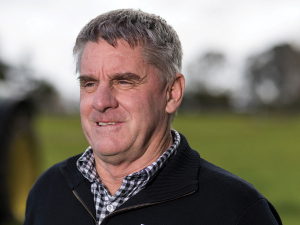
LIC chairman Murray King says the co-op turned in another strong performance during the 2012-13 year, with increased farmer uptake of a range of products and services driven by a growing farmer focus on cow health and herd reproductive performance.
"Last year's drought provided farmers with a unique set of problems to overcome with many needing to shorten the dairy season and dry herds off early. This resulted in a decrease in the number of herd tests carried out by LIC during autumn 2013.
"However, against the backdrop of the drought we still experienced strong farmer demand for our services, especially artificial breeding. LIC maintained the price freeze that we first applied to our Premier Sires genetics in the 2009-10 season.
"Our GeneMark DNA parentage testing and animal health testing services also delivered record activity levels."
Farmers responded very positively to LIC initiatives to help them improve their herd's reproductive performance.
"Farmers are recognising the potential to improve their farm's profitability through a better in-calf rate. A significant number signed up for the '6 week challenge' with the goal of getting closer to the national and industry target, and improving the farm's prosperity.
"This focus on improving the reproductive performance of the herd saw increased demand for software programmes like MINDA Weights and MINDA Land & Feed which help farmers monitor many of the factors which contribute to herd fertility, like body condition score."