Pāmu FY26 Report: Profit More Than Doubles to $113m
Pāmu has released its FY26 Integrated Annual Report, reporting a Net Operating Profit of $113 million, more than double the $49 million recorded in FY25.
 increase font size
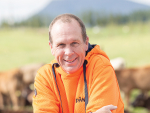
 Outgoing LIC chief executive Wayne McNee.
Wayne McNee says LIC is well-placed to play a leading role in helping farmers meet sustainability goals.
He told Dairy News that the focus on sustainability provides a massive opportunity to add value to dairying.
McNee, who served on the Sustainability Business Council (SBC) board, was instrumental in the release of LIC's first sustainability report.
LIC is part of the Climate Leaders Coalition, The Aotearoa Council and the SBC.
When joining SBC, members are required to introduce annual three reporting practices, which outline progress on environmental, social, governance and economic issues.
McNee says the report meets those requirements from a business perspective, but it's also an opportunity to demonstrate how LIC is responding to sustainability challenges facing farmers and the New Zealand dairy industry.
"As a farmer-owned co-operative and world leader in pasture based dairy genetics and herd management, we have a critical role to play in helping New Zealand's dairy farmers meet their sustainability goals," he says.
McNee says LIC exists to deliver superior genetics and technological innovation to help shareholders sustainably farm a profitable animal.
"So sustainability is baked into our purpose.
"While many industries only recently began responding to climate challenges, LIC and its farmer shareholders began work over 30 years ago to improve genetic gain within the herd using genomics."
The LIC Sustainability Report has information about its environmental, social and economic performance for the year ended 31 May 2021. McNee says LIC has made great progress on its sustainability journey, especially over the last four years.
Some of these are:
Measuring LIC performance from a social perspectiive is a new feature of the reporting.
Organisational Health Index (OHI) is a McKinsey tool which measures the impact of organisation practices and culture on performance against international benchmarks.
LIC is in the upper end of the second quartile of all tested companies by McKinsey worldwide.
The economic section of the Sustainability Report explains LIC is delivering value to farmer shareholders by investing in initiatives to help them breed the most profitable and sustainable animal.
McNee says LIC is committed to open and transparent reporting on sustainability.
Pāmu has released its FY26 Integrated Annual Report, reporting a Net Operating Profit of $113 million, more than double the $49 million recorded in FY25.

LIC shareholders have elected a new North Island representative to the co-operative's Board, along with five representatives to its Shareholder Reference Group (SRG), following the company's Annual Meeting held in Invercargill.
Environment Minister Nicola Grigg has announced details of a new rural plastics recycling scheme.
Almond hulls sourced from Australian orchards may have the potential to help New Zealand cows reduce emissions, boost milk yield and lower input costs.
The Government is introducing a new nationwide rural recycling scheme that will significantly increase the recovery of farm plastics from March next year, Minister for the Environment Nicola Grigg announced today.


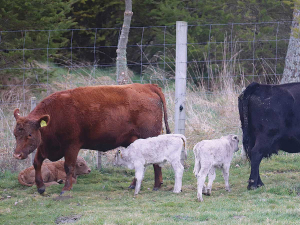
A major move is about to get underway to improve the quality and viability of dairy beef and cattle in NZ.
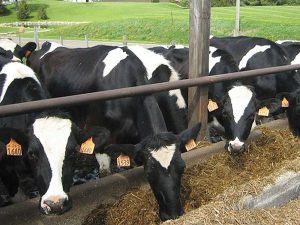
Veterinarians say changes to the code of welfare for dairy cattle provides a positive foundation for improved cattle welfare across the country.
Today, 15 October, is the International Day of Rural Women, which recognises rural women’s contribution to farming, communities and the environment.
Global dairy giant Lactalis has integrated its Australian operations with the Mainland Dairy consumer business it acquired from Fonterra earlier this year.
After almost two decades of sharemilking, saving and building equity, Aaron and Marcia Flay this year realised their long-held dream of settling on their first dairy farm.
Good medium to long term prospects for NZ beef, especially in the US, has heighted the focus on various initiatives to capitalise on this situation.