Feds Welcomes Labour Party Support For Sharemilking Law Review
Federated Farmers says it welcomes Labour's commitment to reviewing the Sharemilking Agreements Act, calling on other major parties to do the same.
 increase font size
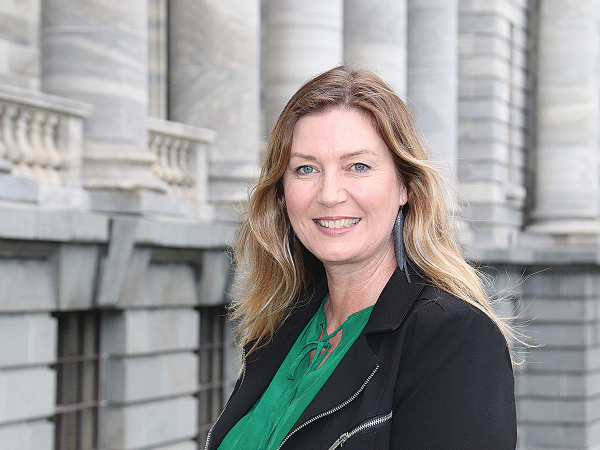 Labour Party agriculture spokesperson Jo Luxton.
Labour's agriculture spokesperson says the Government’s decisions are set to hamstring growth within the farming sector.
Jo Luxton took over the shadow agriculture portfolio from long-time Labour MP and former agriculture minister Damien O’Connor following the 2023 election.
She is also the party’s spokesperson for agriculture, biosecurity and rural communities.
She says that growth can only be sustained when it is fueled by investment in research and development, evolving data management systems, strong educational pathways, high retention rates, and well-supported communities.
“In other words, we need to keep funding the basics or we will be overtaken by our competitors,” Luxton says.
She says that several moves by the Government in recent months work against the long-term solutions the primary sector needs.
The Gene Technology Bill in particular caused controversy earlier in the year because many stakeholders – farmers, politicians, and lobby groups alike – found the consultation period too short in part because it fell over the Christmas and holiday period.
The proposed legislation would see greater use of genetic modification and gene editing technology outside of the laboratory.
Luxton claims National hopes farmers are too busy to look past its slogans to see “what’s really happening”.
“I’ve met with farmers and local communities, one thing stands out: the human factor matters.
“Rural communities face complex social and environmental challenges, and this Government is not acting fast enough to develop policies that are both practical and attuned to the issues they face,” she adds.
Luxton says it’s important that policy decisions impacting the primary sector consider the impacts on humans from all angles, including mental health, healthcare, rural infrastructure, and the environment.
“Getting the balance right on regulations and developing new trade relationships are important pieces of the puzzle, but they aren’t the entire picture,” she says.
Luxton says New Zealand’s agriculture sector requires policies that “connect the dots between regulation and the practicalities of farming life”.
“We must invest in long-term solutions to boost the wellbeing of our rural communities. Sustained growth in the agricultural sector won’t come from rushing ahead, but from careful planning, long-term investment.”
Federated Farmers says it welcomes Labour's commitment to reviewing the Sharemilking Agreements Act, calling on other major parties to do the same.
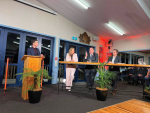
It was billed as a chance for all the political parties to woo the rural vote, but question marks hang over just how effective this was.
Red meat farmers are welcoming Labour’s plan to review the Emissions Trading Scheme and not to campaign on pricing agricultural emissions.
For the first time in a quarter of a century, Federated Farmers has something positive to say about the Labour Party’s climate change policy leading into a general election.
Opportunity says its land value tax (LVT) is unlikely to force farmers into a position where asset sales or increased debt are required.



LIC shareholders have elected a new North Island representative to the co-operative's Board, along with five representatives to its Shareholder Reference Group (SRG), following the company's Annual Meeting held in Invercargill.
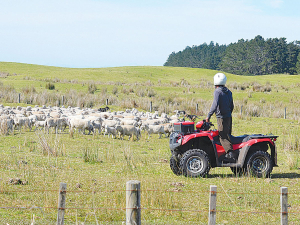
Farmers across parts of Southland and South Otago are continuing to deal with difficult conditions after a prolonged run of wet weather, with pressure building around feed supply, stock management, pasture damage, farm infrastructure and everyday workloads.
Federated Farmers says it welcomes Labour's commitment to reviewing the Sharemilking Agreements Act, calling on other major parties to do the same.
For Canterbury dairy farmers Sian Meijer and Rick Wobben, wearable technology has become one of their most valuable on-farm tools - helping manage 1850 cows across an expansive, high-performing dairy operation while improving efficiency, mating outcomes and day-to-day decision making.
Fonterra has unveiled its annual results for the 2026 financial year, posting $27 billion in revenue and close to $20 billion returned to New Zealand farmer owners and unit holders.
The first major update to the Dairy Cattle Code of Welfare in more than a decade has been released, marking what DairyNZ describes as an important step in ensuring animal welfare standards continue to evolve alongside scientific evidence and on-farm realities.