LIC Chief Says BVD Eradication in NZ Is Within Reach
A dairy industry leader believes eradicating the common and costly disease, Bovine Viral Diarrhoea (BVD) is within reach.
 increase font size
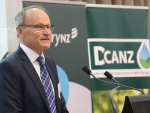
 LIC's new general manager operations and service Mark Julian says increasing the quality of New Zealand's dairy herd is vital to future success.
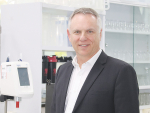
LIC's new general manager operations and service Mark Julian wants to continue helping farmers breed better cows and boost productivity.
Julian, who took up his new role recently, says increasing the quality of New Zealand's dairy herd is vital to future success.
With New Zealand said to have passed 'peak cow', breeding better cows has been doing a lot of heavy lifting to boost productivity.
Julian points out that farm productivity tracks close to 1.5% annually and the majority of this is directly attributed to genetic gain in animals.
Average per cow production jumped from 307 kgMS in 2001 to 397 kgMS end of 2021 season.
Julian says the 25% jump in production is a testament to herds breeding better cows with improved efficiency and this ultimately drives improved profitability on farm.
He says LIC offers premium bull teams for farmers to breed high genetic merit cows which produce more milk, more efficiently - resulting in a lower environmental footprint per kilogram of milk solid produced.
Julian says the production efficiency of every cow in the national dairy herd has never been more important.
"Farmers are investing in solutions to breed the best cows, faster.
"These breeding decisions will serve them well into the future to build a more profitable and sustainable dairy sector and meet climate goals."
Julian's team, made up of 1,850 people, is responsible for the co-op's farms and the delivery of essential herd improvement services to farmers, including artificial breeding, herd testing, genetic diagnostics and animal health tests.
LIC'S peak operational period runs from 1 September through to Christmas, where its AB technicians inseminate up to 100,000 cows a day, around 400,000 herd test milk samples are processed each week and up to 30,000 animal samples are tested for DNA and animal health on a weekly basis.
Julian says LIC is an innovative company with significant investment in research and development, with a lot of potential for growth.
"New Zealand pastoral farming is underpinned by productivity improvements.
"The services and support LIC provides its dairy farming shareholders to help them breed better cows and improve their farming operation really interests me."
"With the peak spring period upon us, I've hit the ground running and am looking forward to gaining a deeper understanding of how the co-op works and supporting my team to deliver operational excellence to farmer shareholders during this important time on-farm."
Julian grew up on a dairy farm in Taranaki and has been involved in the dairy sector throughout his career, most recently as general manager dairy operations at Pāmu, the state-owned enterprise with a nationwide portfolio of farms.
He worked for Pāmu for 14 years and managed 300 staff.
LIC chief executive David Chin, who was GM operations & service prior to taking up his current role in January, says Julian is a highly regarded leader in the dairy sector who has a wealth of knowledge when it comes to running a sustainable, profitable farming business.
"I'm confident Mark's passion for farming, combined with his ability to implement strategies that deliver positive outcomes will serve our farmer shareholders well."
A dairy industry leader believes eradicating the common and costly disease, Bovine Viral Diarrhoea (BVD) is within reach.

LIC shareholders have elected a new North Island representative to the co-operative's Board, along with five representatives to its Shareholder Reference Group (SRG), following the company's Annual Meeting held in Invercargill.
Farmers can spend less time on paperwork, thanks to a new data sharing agreement between DairyNZ’s DairyBase and LIC’s MINDA software.
An LIC bull, Tronnoco AR Sadio-ET S3F, bred by Tony and Keri O'Connor of Tronnoco Farming Co Ltd near Timaru, has won the 2026 Mahoe Trophy.
Bovine Viral Diarrhoea (BVD) is estimated to cost New Zealand's dairy and beef industries more than $150 million every year, yet many of the tools needed to control it are already well understood. After more than 25 years in veterinary practice, Andrew Weir, animal health technical specialist at LIC, has seen firsthand the impact BVD can have on herd performance. We asked him about the role of persistently infected (PI) animals and the practical steps farmers can take to reduce their risk.


OPINION: As election day looms, rural NZ seems to have pressed the pause button – held somewhat in limbo on an orange light.
Will drones be the answer to tackling the problem of wasp and hornet nests high up in trees and other inaccessible places?
Canterbury milk processor Synlait has come through tough times and is now ready to scale up from a stable base, says its newly confirmed CEO Leon Fung.
NZPork says a ham made in New Zealand is not necessarily made from New Zealand pork.
Rural Contractors NZ says proposed changes to land transport rules for agricultural vehicles are a welcome response by the Government to out-of-date regulations which have seen members hit with huge fines.
With New Zealand’s greenhouse gas emissions in the spotlight, Auckland scientist Nathan Balasingham says there’s a better way to tackle the problem than shrinking cow numbers or fertiliser usage.