Rodeo Code of Welfare Review: Have Your Say by 9 December
The National Animal Welfare Advisory Committee (NAWAC) is seeking public feedback on proposed changes to the Code of Welfare for Rodeos.
 increase font size
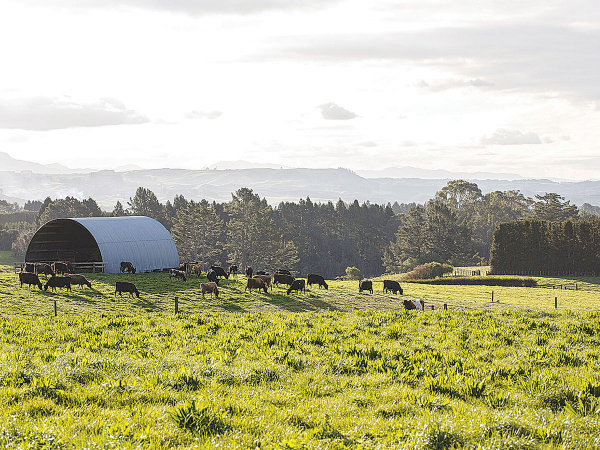 DairyNZ claims NAWA seems to have lost sight of the overall purpose of the dairy welfare code.
DairyNZ wants the National Animal Welfare Advisory Committee (NAWAC) to go back to the drawing board on many areas in its proposed Code of Welfare.
It then wants NAWAC to go back out to the industry including farmers for another round of consultation. It supports the code update for clarity, to incorporate recent animal welfare science and lift the bar in areas of the code where common practice surpasses previous standards.
But it does not support changes to the code that increase complexity and inhibit its value as a useful tool, the industry body says in its submission to the code.
DairyNZ wants NAWAC to review all of the proposed changes to minimum standards, example indicators and recommended best practice to align with the criteria in its own guidelines and those of MPI.
It says the volume of change is difficult to review and analyse to provide valuable feedback on, particularly as the discussion document only covers a small proportion of the changes.
"We are concerned that this consultation will not be able to provide for adequate feedback from affected parties (such as farmers) due to the complicated nature of what is being proposed," it submits. "DairyNZ has made considerable effort to collect farmer feedback through multiple methods to support our submission, including a farmer survey, farmer group meetings throughout the country and a simple submission template for farmers.
"However, due the volume of changes, we were only able to focus these efforts on a smaller set of priority issues.
"NAWAC seems to have lost sight of the overall purpose of the code which is to provide detail on the minimum standards that need to be met and to promote recommended best practice. It does not need to be a complete 'how to' manual.
"Industry stakeholders are constantly working on voluntary improvements to animal welfare, for example, the latest intensive winter grazing inspections from previous years. DairyNZ suggest a further round of consultation should be carried out to ensure that all impacted parties have the opportunity to understand the implications of these changes."
DairyNZ says it has concerns regarding cross over and duplication and at times inconsistency of how the code has been written. A few examples where the way the code is drafted does not support farmer understanding are:
The National Animal Welfare Advisory Committee (NAWAC) is seeking public feedback on proposed changes to the Code of Welfare for Rodeos.
The first major update to the Dairy Cattle Code of Welfare in more than a decade has been released, marking what DairyNZ describes as an important step in ensuring animal welfare standards continue to evolve alongside scientific evidence and on-farm realities.
Have a plan in place for your cows and staff.
DairyNZ deputy chair Cameron Henderson has been re-appointed unopposed for another term.
OPINION: The stats speak for themselves.

High country stations, mixed sheep and beef farms, Māori-owned farms, corporates and family operations are among the nine commercial farms taking part in the Livestock Innovation Farming Transformation programme, known as LIFT.
OPINION: New health and safety guidance unveiled by the Government recently provides farmers greater certainty about what is expected of them when managing risks on farm.
The National Animal Welfare Advisory Committee (NAWAC) is seeking public feedback on proposed changes to the Code of Welfare for Rodeos.
A New Zealand initiative supporting farmers to restore the health of grazing landscapes has received international backing through the Regenerative Fund for Nature, a global collaborative fund supporting regenerative agriculture and the communities that produce natural fibres for the fashion industry.
Combine premium New Zealand products, blend in a family ritual and what do you get? A world-class functional drink.
Entries are now open across eleven regions for the 2027 New Zealand Dairy Industry Awards (NZDIA).