Four Candidates Confirmed for Fonterra Board Election
Four candidates have been confirmed for two director positions on Fonterra’s board.
 increase font size
 John Monaghan is thanking Government for passing the DIRA amendments before the general elections.
Fonterra says a revamped Dairy Industry Restructuring Act (DIRA) creates “a more level playing field”.
Cooperative chairman John Monaghan says the changes ultimately will keep more of the value created by kiwi dairy farmers back in New Zealand.
In an email to farmer shareholders, Monaghan expressed delight at Parliament approving key changes to DIRA.
The changes to the 20-year-old legislation passed unanimously through Parliament. The biggest change is the removal of open entry and exit provisions and comes into effect from June 1, 2023.
Monaghan thanked farmers who made submissions during MPI’s consultation process.
“With your support, meaningful changes were made to the legislation.”
The open entry provisions relate to a farmer’s ability to freely enter Fonterra and the co-op’s ability to refuse farmers that do not meet its standards.
Monaghan assured farmers that Fonterra will continue to pick milk from supplying farms that changed ownership.
“I reconfirmed our 2017 commitment to Federated Farmers that we will continue to accept applications to supply from all farms that are, at the time of the application, supplying Fonterra, until the remainder of the pro-competition provisions in DIRA fall away.
“This means that even if ownership of a farm changes, Fonterra will accept supply from that farm as long as the supply to Fonterra is continuous and the new owner meets our normal terms and conditions of supply.”
Fonterra will amend its constitution to this effect at its annual meeting in November.
Monaghan thanked the primary production select committee and Agriculture Minister Damien O’Connor “for listening to the views of New Zealand dairy farmers and being open to change”.
He also thanked the Government for prioritising the DIRA legislation and giving the industry certainty before this year’s election.
“This modernised legislation creates a more level playing field for our co-op and ultimately will keep more of the value created by kiwi dairy farmers back here in New Zealand.”
O’Connor says the dairy sector has changed considerably since 2001.
“The amendments we have made to this very aged legislation ensure this regulatory regime puts the sector in the best possible position in a post-COVID world,” he says.
“We want to ensure the DIRA remains fit for purpose in a changing economic and social environment, and continues to deliver benefits for our farmers, consumers, and New Zealand’s economy as a whole.”
The Government is determined to ensure the industry moves milk up the value chain. O’Connor says the changes will enable Fonterra to invest in that higher-value end.
Four candidates have been confirmed for two director positions on Fonterra’s board.
A record farmgate milk price and strong global demand is laying the foundation for continued growth of organic dairy farming in New Zealand.
Waikato milk processor Tatua has again declared a record milk payout to farmer shareholders, leaving other processors in the dust.
Fonterra has unveiled its annual results for the 2026 financial year, posting $27 billion in revenue and close to $20 billion returned to New Zealand farmer owners and unit holders.
Fonterra Co-operative Group has confirmed the independently assessed candidates standing for election to its board in 2026.


A major move is about to get underway to improve the quality and viability of dairy beef and cattle in NZ.
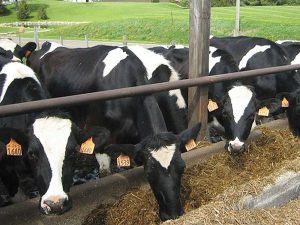
Veterinarians say changes to the code of welfare for dairy cattle provides a positive foundation for improved cattle welfare across the country.
Today, 15 October, is the International Day of Rural Women, which recognises rural women’s contribution to farming, communities and the environment.
Global dairy giant Lactalis has integrated its Australian operations with the Mainland Dairy consumer business it acquired from Fonterra earlier this year.
After almost two decades of sharemilking, saving and building equity, Aaron and Marcia Flay this year realised their long-held dream of settling on their first dairy farm.
Good medium to long term prospects for NZ beef, especially in the US, has heighted the focus on various initiatives to capitalise on this situation.