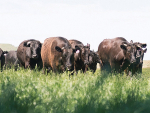
B+LNZ Urges Farmers to Prepare Now for El Nino Conditions
Are you ready for El Nino? That’s the question asked by Beef+Lamb NZ’s Ian Tarbotton who leads B+LNZ’s farm extension service.
 increase font size
 James Allen
A warning to dairy farmers not to expect the same good conditions that they experienced last season, has been issued by a leading farm consultant.
James Allen, chief executive of AgFirst told Dairy News that, broadly speaking, in the Waikato farmers grew and harvested an extra tonne of dry matter last year over the previous year.
He says it was a very good season, but points out that you'd be a brave person to expect this season to be the same.
Allen says supplementary feed reserves in the province are pretty good now.
"What we are saying to farmers though is to think about your feed requirements for the whole season and base it more on an average season, rather than what we had last season, and then try to make sure that you have the bulk of that supplement secured. It then comes down to thinking about marginal milk decisions later in the season," he says.
Allen says now is the time to maximise pasture quality and also cow intake to get to peak cow production. But again, he warns that leading into summer the math starts to change quite quickly.
Now he says it's about assessing the price of supplement and looking at the forecast milk price and looking to the future.
"What I am also saying is around pre-Christmas it's a case of reassessing about where you are at and looking at the soil moisture profile. That's because soil moisture at the 1st of December is a really good early warning indicator of whether or not there are problems on the horizon," he says.
Allen says it's about making those early decisions about whether more supplements may be required or maybe to cull early.
He says December 1 is a trigger date when farmers need a plan for making and executing some decisions early.
He says history tells us that the best way to deal with problems is to have a plan and make early decisions.
Allen says he's not surprised to hear that Canterbury and other parts of the east coast of the South Island are in the early stages of drought.
Chris Brandolino, principal scientist forecasting and media at Earth Sciences NZ, says already there are some worrying signs that are related to El Nino occurring ion the South Island.
He says some places in Canterbury are in what he describes as 'meteorological drought' and that there is a significant soil moisture deficit in many places.
Allen says he's heard that some farmers have been irrigating well into May and June - something he says is unheard of - and he agrees that east coast regions of both islands are high risk areas when it comes to drought.
He says he's aware that many parts of Canterbury have tight water restrictions and if the dry weather conditions and aquifers are not recharged, there is a problem.
In terms of El Nino, Allen says dairy farmers don't need to change what they are doing right now.
He says, after all, most have made a decision how many cows they're going to carry through the winter and peak milk.
Are you ready for El Nino? That’s the question asked by Beef+Lamb NZ’s Ian Tarbotton who leads B+LNZ’s farm extension service.
New Zealand's pest problem has reached crisis point, according to Federated Farmers' second National Pests Survey, which shows farmers are spending more money and effort on control — yet pest numbers keep climbing faster than they were two years ago.
State farmer Pamu has delivered its strongest operating result on record.
The Government has announced it will pause key parts of Waikato Plan Change 1 (PC1) in a decision that is set to give Waikato farmers a reprieve from new consenting and farm-planning requirements while the wider resource management system is overhauled.
When Fraser Hasnip returned to his family farm in Pirongia, Waikato, he saw an opportunity to do things differently.
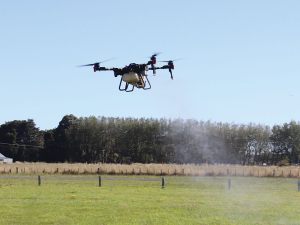
OPINION: David Seymour and James Meager's plan to make it easier for farmers and orchardists to operate drones can best be described a 'courageous' move.

New Zealand wool is reaching new heights as air filtration companies move away from synthetic products to biodegradable alternatives.
Opuha Dam's ability to protect South Canterbury communities from major flooding has taken a significant step forward, with Opuha Water Limited (OWL) successfully commissioning a new outlet valve capable of releasing record volumes of water from the dam ahead of a weather event.
There's been widespread support from the primary sector for the Government's announcement on changes to freshwater farm plans that come under the Natural Environment Bill, which is now set to replace the existing RMA.
A partnership between state-owned enterprise Pāmu (Landcorp Farming Limited) and charity Meet the Need is putting more than quality New Zealand beef into food bank parcels this year.
The Opportunity Party has faced criticism during the election campaign that its policies are too urban-focused and offer little for rural communities.