Mineral Balance: The hidden key to dairy goat health & production
Most dairy goat farmers focus on getting energy, protein, and fibre right, and fair enough – feed drives milk.
 increase font size
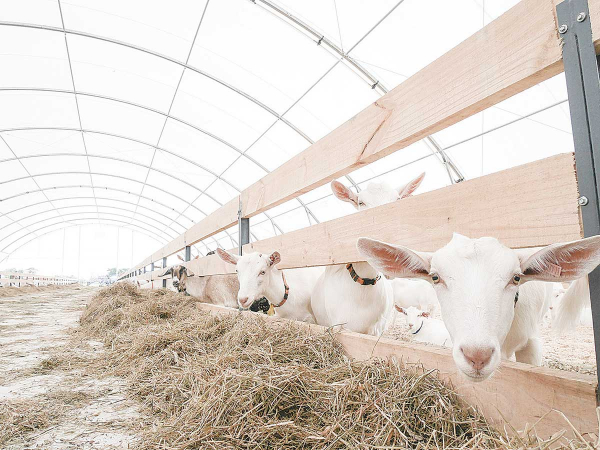 Goats cannot be expected to produce their best when they have to contend with nature's elements.
Shelter is one of the first considerations when contemplating the purchase of a doe, according to the New Zealand Dairy Goat Breeders Association.
Goats cannot be expected to produce their best when they have to contend with nature's elements. Without shelter and good food, it means they have to utilise more of what they eat to keep themselves warm.
Housing does not present a problem, as long as it is rain and draughtproof, the simplest of shelters is much appreciated in cold, wet weather. Shelter ranging from an oversized box to the most elaborate of barns can be within the scope of everyone - it is all a matter of taste, economy and/or pride, says the association.
When the does or buck is tethered, and he or she has to be shifted frequently, a large box or a discarded water tank is the ideal shelter, as it is easily moved from place to place.
"Do not forget to place a layer of hay on the bottom of the box to keep [them] warm or dry. If using an old tank, it is much better to make a slatted platform for sleepingon, as any moisture tends to run to the bottom and remain there. Place a block or log either side to prevent the tank from rolling," it says.
If considering a barn, there are one or two points to remember: Ease of cleaning out is of main importance. There is nothing more tiring than having to walk and manoeuvre unnecessarily. Access to feeding racks when feeding out hay or greens is another point to bear in mind.
It is much easier to feed without having to go into the shed each time, especially when there are several does.
Flooring can be concrete, wood, asphalt or earth, but whichever method is used, litter in some form must be provided. Sprinkling the floor with lime after each clean out will keep the shed smelling slean and sweet, and discourage flies from breeding in the litter.
Inside sheds, slatted platforms or boxes with slatted tops, can be used for sleeping so that droppings can be collected and used for the garden.
Most dairy goat farmers focus on getting energy, protein, and fibre right, and fair enough – feed drives milk.
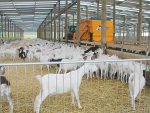
Part of your preventative healthcare needs to focus on the safety of the physical environment, according to a dairy goat farming website.
New Zealand’s fledgling dairy goat industry is in turmoil.
The Australian dairy goat industry is relatively small, but there is an increasing consumer demand for healthy and exotic dairy products.
Worms are probably the biggest health problem for goat farmers.

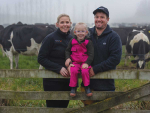
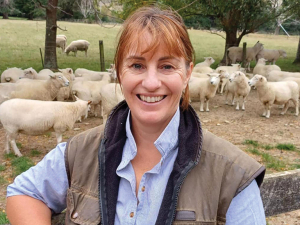
B+LNZ's Wormwise veterinarian Mary Bowron has won the Best Sheep and Beef Vet of the Year Award in recognition of her outstanding contribution to New Zealand’s sheep and beef sector.
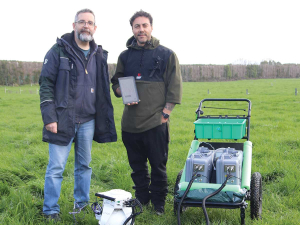
Researchers at Massey University are using a special piece of scientific equipment to improve the measurement of greenhouse gas emissions from pasture soils.
More signs of a booming kiwifruit sector.
OPINION: David Seymour and James Meager's plan to make it easier for farmers and orchardists to operate drones can best be described a 'courageous' move.
New Zealand wool is reaching new heights as air filtration companies move away from synthetic products to biodegradable alternatives.
Opuha Dam's ability to protect South Canterbury communities from major flooding has taken a significant step forward, with Opuha Water Limited (OWL) successfully commissioning a new outlet valve capable of releasing record volumes of water from the dam ahead of a weather event.