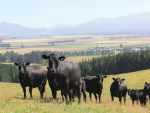
BVD Control Begins Long Before You See A Problem
Bovine Viral Diarrhoea (BVD) is sometimes viewed as a dairy industry issue, but the reality is that the disease can have serious consequences for beef breeding herds as well.
 increase font size
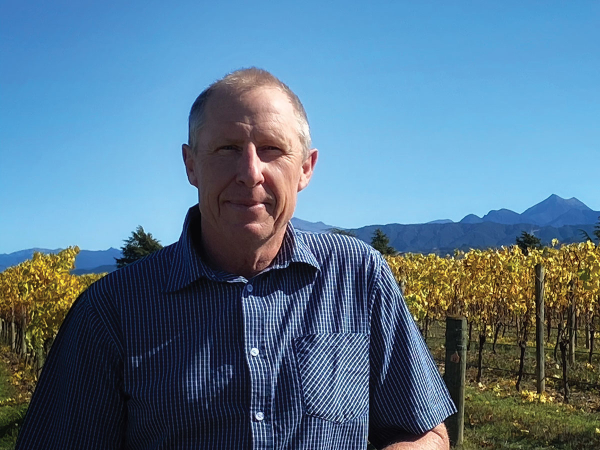 Jim Herdman
The year was marked by “progress, collaboration and reflection” in biosecurity, says New Zealand Winegrowers Biosecurity Advisor Jim Herdman.
“While challenges remain, the foundations laid in previous years position us well for continued improvement in vineyard biosecurity.”
The Good: 2025 represented a significant step forward for vineyard biosecurity. Of note was the integration of biosecurity requirements into the Sustainable Winegrowing New Zealand programme. We travelled to New Zealand’s wine regions, engaging directly with members to discuss the new requirements and what effective vineyard biosecurity looks like in practice. The response was overwhelmingly positive. Workshops were well attended, there was good discussion, and members expressed genuine appreciation for the templates and resources provided. Two major exercises – focused on brown marmorated stink bug (BMSB) and xylella fastidiosa – were conducted in collaboration with government and other primary industry sectors via the Government-Industry Agreement (GIA). These exercises helped refine our response planning and highlighted areas for improvement. The BMSB Council’s Harvest Shield 2.0 simulation in August was particularly useful, as it tested governance coordination and operational readiness in a full-day scenario.
The Bad: Severe weather events in Tasman and Marlborough served as a sobering reminder of the sector’s vulnerability and underscored the importance of emergency preparedness. Emergency readiness and response is part of the biosecurity team’s role, and we continue to learn and adapt the way we can support members through these events. As is often the case with emergency events and exercises, they revealed not only what is working well but also what remains to be done. These insights are invaluable and point to the need for sustained effort. Each situation brings new challenges to the fore.
The Awesome: Alongside testing response plans, the BMSB Council is also exploring long-term management strategies in the event that containment proves unfeasible – the essential next step in our thinking on BMSB. Second, our growing collaboration with Australian counterparts has been a highlight. Strengthened relationships with Plant Health Australia, Vinehealth Australia, Wine Australia, and others have opened new avenues for shared learning and strategic alignment. Observing and adapting elements of their response planning will help us refine our own approaches. Additionally, we initiated work with Bragato Research Institute on a biosecurity research plan tailored to the wine industry. This work is still in its early stages and modest in scale, but it is a good step forwards. We also released new resources for vineyard contractors, including guides and factsheets, which complement the broader biosecurity toolkit available to members.
Bovine Viral Diarrhoea (BVD) is sometimes viewed as a dairy industry issue, but the reality is that the disease can have serious consequences for beef breeding herds as well.

Election years are always a concerning time for farmers, according to DairyNZ chair Tracy Brown.
Testing confirms H5 bird flu in a single northern giant petrel, found dead on a remote Cape Palliser beach in the Wairarapa, says Dr Mary van Andel, the Ministry for Primary Industries' (MPI) Chief Veterinary Officer.
Bovine Viral Diarrhoea (BVD) is sometimes viewed as a dairy industry issue, but the reality is that the disease can have serious consequences for beef breeding herds as well.
Four years since it was first detected in New Zealand, researchers and growers now know much more about management of maize pest fall armyworm (FAW).