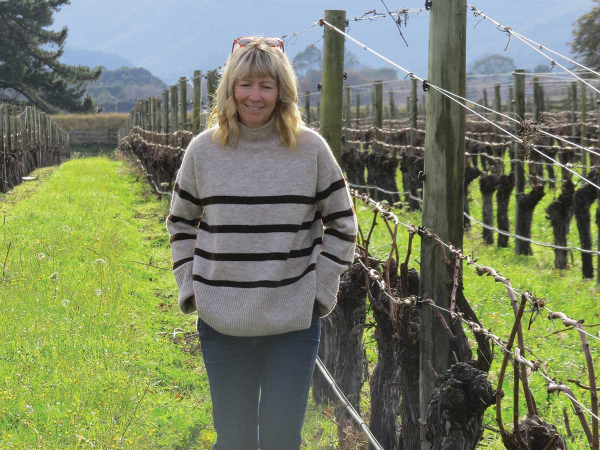
Melissa Tripe knows what a downturn feels like.
In the mid-1980s, when she was 12 years old, her parents pulled out their Müller-Thurgau vines as oversupply and high interest rates plagued New Zealand's wine industry. Forty years on, as winegrowers grapple with low grape prices, cancelled contracts, lost income and continued uncertainty, she's reminded of the stress her parents went through before and after the government wine pull.
Melissa, a Marlborough grower, New Zealand Winegrowers board member, and viticulturist for her brother's companies JTC Viticulture and Vintage Harvesters, knows people who have had no grape contract and no income for the past two years, while continuing to pay the costs of maintaining a vineyard. Growers expect weather challenges, market shifts and grape prices that fluctuate with demand, she says. But they cannot prepare for being told they will not sell a single stock unite for two years. "That is what's so hard for people to understand and get their heads around. Me included."
Speaking at a Wine Marlborough and Bragato Research Institute workshop on mothballing in June, Melissa urged growers to take stock of their situation and be strategic in their planning. "That will be unique for every player in this room. What your neighbour is doing is going to be different to what you are doing, because your site is your own, your debt level is your own, your vine age is what you've got."
It is a "very stressful and emotional time", but there is also opportunity, she said. "If your vineyard is 20 to 25 years old, and we are being paid almost nothing for our grapes, is it a good time to pull it out?" That is not an easy decision, she notes, recalling a conversation with a couple who own and operate a small, 25-year-old vineyard without a supply contract. In their late 50s, they do not know what comes next. "This is all we have ever done," they told her. "This is our job."
She and Jason have a "very wide view" of what is happening in the industry because of the number of growers they work with. That includes growers with no contracts and those who do have contracts but are on notice. "We've got some who are looking to exit the industry and we've got others that are fine," Melissa says. "And our own vineyards sit within that mix as well."
They have pulled out several of Jason’s older blocks for fallowing, with some planted in alternative crops, including winter barley, clover seed and sunflowers, while waiting for demand to recover before replanting grapes. Those trials, along with different mothballing techniques, are providing insights for the wider industry, she says. “Over the past 12 to 18 months, we’ve been looking at what we can do within our own operation to help people save money.”
Ultimately, the decision will be individual to each business. For some growers, the best option may be to remove older vines and consider replanting, given they are receiving little or no income from their crop. “Your decision to replant might not be right now, but when demand comes back on stream.” For those with younger vines, the conversation is more likely to focus on mothballing and what is appropriate for their individual circumstances. “And that’s very personal; it’s about the site and what people are looking to achieve.” She emphasises that a mortgage-free grower might be prepared to sustain a few years with no crop, while a neighbour could face a completely different situation.
People need to talk to other stakeholders, including banks and accountants, and perhaps a lawyer, before taking the next step. Conversations with labour suppliers will also be important, as contractors are likely to reduce their workforce, while harvesting companies will also feel the effects of the downturn. “It’s really hard on the greater community... There is a lot of anxiety out there and worry about what is going to happen.”
The hardest thing, Melissa says, is not knowing what comes next, given changes in the global wine market and Marlborough’s own oversupply. “There are a lot of good things going on to try and alleviate it, but it won’t happen overnight and that’s the toughest thing for people – the unknown.”
Health and Wellbeing In Tough Times
During financial hardship, farmers can become more isolated, so connecting with community and industry groups can support wellbeing, says Sarah White, coordinator for the Top of the South Rural Support Trust. Speaking at Wine Marlborough mothballing workshops in Blenheim and Seddon in June, she urged growers to get to events, and to bring their neighbours along as well. The Rural Support Trust shares wellbeing resources, reacts to adverse events, and can connect people with a counsellor, but she urged people to visit their doctor if they need to talk about their mental health, and to stay in touch with their accountant and bank. New Zealand Winegrowers also provides health and wellbeing resources, including downloadable posters for staff noticeboards.
Find resources at: